FND Recovery Action Plan: What Families Can Do Next

Dr. Jin Lee, PsyD
An FND Recovery Action Plan for Families
A recovery action plan for Functional Neurological Disorder (FND) helps families focus on the daily steps that support retraining the brain. Because FND involves disruptions in how the brain communicates with the body rather than structural damage, recovery often includes rebuilding routines, strengthening nervous system regulation, and helping teens gradually return to normal activities.
Introduction
When a teen is diagnosed with Functional Neurological Disorder, many families feel overwhelmed.
The symptoms may have appeared suddenly. Medical tests may have come back normal. And parents are often left wondering what to do next.
Without a clear plan, families can feel stuck between uncertainty and fear.
But recovery from FND rarely happens by accident. Progress usually begins when families shift from searching for explanations to building a structured approach that helps the brain retrain healthier patterns.
Having a recovery action plan can help parents and teens move forward with greater clarity and confidence.
Why Families Need a Clear Recovery Plan
Functional Neurological Disorder affects how the brain communicates with the body.
The brain coordinates movement, sensation, balance, attention, and emotional responses. When those systems become disrupted, teens may experience symptoms such as seizures, dizziness, weakness, or difficulty walking.
Because the brain itself is structurally healthy in most FND cases, recovery focuses on helping the brain relearn healthier patterns.
This process is much easier when families have a clear plan for what to practice each day.
Without structure, it can be difficult to know which steps will help the brain move toward recovery.
The Role of Daily Routines in Recovery
One of the most important parts of an FND recovery plan is rebuilding daily routines.
Symptoms often disrupt school attendance, social activities, sleep schedules, and physical movement. Over time, the brain may begin associating normal activities with danger or stress.
Recovery strategies help teens gradually return to everyday life.
This may include rebuilding regular sleep schedules, increasing movement in manageable steps, and returning to school or social activities in ways that feel achievable.
As teens practice these routines, the brain begins reinforcing healthier patterns of functioning.
Supporting the Brain and Nervous System
Another important part of recovery involves helping the nervous system become more regulated.
When the nervous system becomes overwhelmed, the brain may trigger symptoms as a protective response. Learning strategies that calm and stabilize the nervous system can help the brain shift out of these protective patterns.
These strategies often include techniques that support body awareness, breathing, movement, and emotional regulation.
Over time, these practices help the brain become more stable and resilient.
“Recovery from FND happens when the brain learns new patterns that support healthy communication between the brain and body.”
Conclusion
A diagnosis of Functional Neurological Disorder can leave families feeling uncertain about what steps to take next.
But recovery becomes clearer when families focus on building a structured plan that supports the brain’s ability to retrain healthier patterns.
By rebuilding routines, strengthening nervous system regulation, and helping teens gradually return to normal activities, many families begin seeing steady progress.
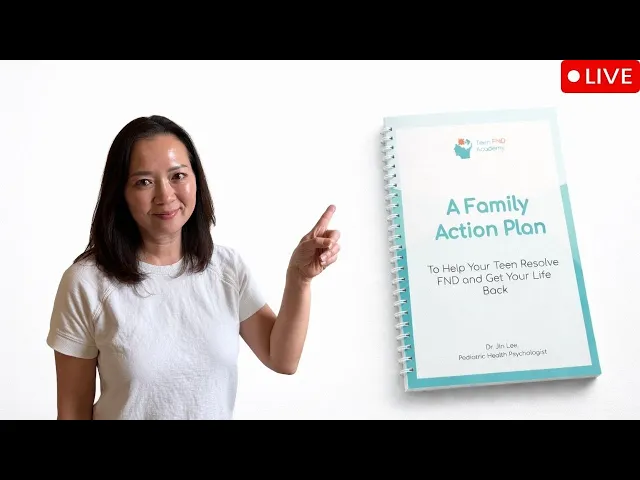
If you want a clear starting point, you can explore our Family Recovery Action Plan here:
https://teenfndacademy.com/guide
For many families, having a practical roadmap makes the journey toward recovery feel much more manageable.
Share this
Comments
>No comments yet. Be the first!
Related Post
FND Recovery Isn’t Linear: Why Symptoms Can Return
Flare-ups during Functional Neurological Disorder recovery can feel terrifying. Here’s why they happen—and how teens keep making progress.
Read more
FND Treatment Explained: How Teens Retrain the Brain for Recovery
When a teen is diagnosed with Functional Neurological Disorder, parents often ask what treatment actually works. Understanding how the brain retrains new patterns is the key to recovery.
Read more

FND Recovery Isn’t About Eliminating Symptoms
Many parents focus on stopping symptoms first. But real recovery from Functional Neurological Disorder happens when teens rebuild normal functioning and retrain the brain.
Read more