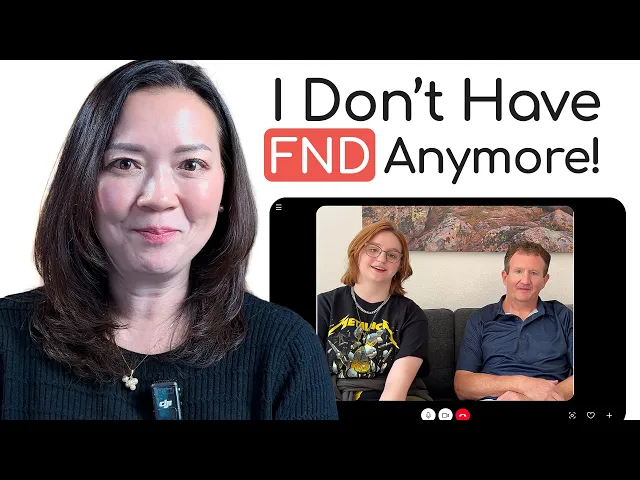
Before the program, Alex described having very aggressive tics, sometimes around 15 every minute, along with dissociation, limb locking, and losing sense of time by getting stuck in her own head. She also talked about how alone it felt going through all of this. In the program, she said the sense of community made a huge difference. At the time of the interview, Alex said she had been symptom-free for almost five months and that the program had “definitely changed my life.”
Wins
Symptom-free for almost five months at the time of the interview
Felt less alone through the community in the program
Alex has not had any FND symptoms for over a year since this time of the interview.
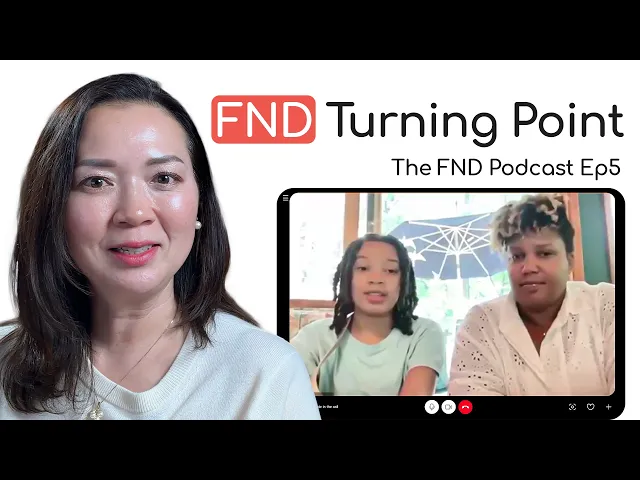
Before joining the program, Alayna was experiencing episodes almost every day, often triggered by activities like color guard in marching band or PE at school. These episodes could last around three hours and involved shaking, jerks, and sometimes not being able to breathe or talk. After joining the program, the length of the episodes began dropping significantly—sometimes to 30 minutes or even just a few minutes. By the time of the interview, her mom shared that nothing significant had happened for over a month, and Alayna was feeling more confident managing symptoms and getting back to normal life.
Wins
Episodes reduced from about three hours to sometimes only minutes
No significant episodes for over a month at the time of the interview
Back to normal activities like concerts and a beach trip for her birthday
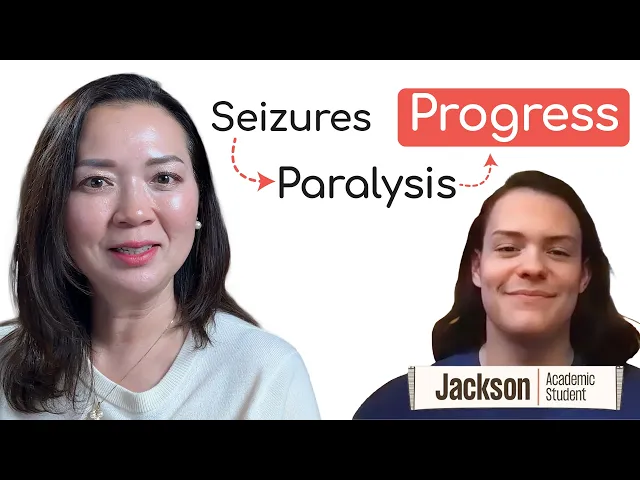
Jackson’s symptoms began with a seizure in band class where he lost his vision and started shaking uncontrollably before ending up in the hospital. After that, symptoms expanded to numbness and tingling in his legs, complete loss of movement in his legs, nystagmus, fatigue, brain fog, headaches, and difficulty concentrating. His parents described months of being in “survival mode” while trying to figure out what was happening and how to help him. By the time of the interview, Jackson shared that he no longer dealt with most of those symptoms and was beginning to regain movement in his legs as he continued working toward recovery.
Wins
No longer experiencing most of the earlier symptoms he described
Regained movement in three muscles in his right leg
Able to walk himself into a building using a walker during physical therapy
Before joining the program, Poppy was dealing with severe pain and drop attacks that had begun to take over daily life. School became increasingly difficult, and the family was struggling to understand what was happening or how to help her move forward. Through the program, Poppy began learning how to approach her symptoms differently and gradually started reclaiming normal activities. By the time of the interview, she was back participating in daily life again and feeling hopeful about the future.
Wins
Severe daily pain and paralysis significantly reduced
Able to participate in normal daily activities again
Returned to school and regular routines
Before the program, Megan’s symptoms had taken away much of her independence. She had fainting spells and seizures, severe fatigue, brain fog, weakness, and even temporary paralysis. The symptoms forced her to leave school for a period of time, and she was barely leaving the house. By the time of the interview, Megan had rebuilt her life in remarkable ways. She had returned to school, graduated on time with high honors, delivered her valedictorian speech, and was preparing to move to Toronto on her own to attend film school.
Wins
Graduated on time as valedictorian and earned Ontario Scholar honors
Able to walk to school independently again
Moving to Toronto for film school on her own
Returned to performing — sang five songs at a school coffee house