
Stories worth reading
Stories worth reading
Stories worth reading
Sort

Myth-busting
Reaction Video
Your Teen With FND Doesn't Want Help: What Parents Can Actually Do
When your teen with FND says "leave me alone," pushing harder rarely works — but stepping away completely isn't the answer either. Dr. Jin Lee shares a steady leadership approach that helps parents hold structure while empowering their teen to take responsibility for recovery.
Read more

Science Deep Dive
FND Education
5 Signs Your Teen Is Making FND Recovery Progress — Even When Symptoms Are Still There
Symptom count alone doesn't tell the full story of FND recovery. Here are five signs your teen is genuinely moving forward — even when symptoms still show up.
Read more

Reaction Video
Science Deep Dive
Practical Tips
FND Parents: Stop Asking "How Are Your Symptoms?" — Ask This Instead
Constantly checking on your teen's FND symptoms comes from love — but it may be directing their brain toward the very thing you want to reduce. Here's a better approach.
Read more

Client Testimonial
From Wheelchair to College: How One Family's Entire Life Changed After 7 Years of FND
After seven years of searching for answers, River and his mom Christy found a framework that changed everything — not just for River's FND, but for their entire family's life.
Read more

Science Deep Dive
FND Education
Practical Tips
Fine at Home, Falling Apart at School: Why Your Teen's FND Surges There
If your teen seems okay at home but collapses at school, the answer isn't about what they can or can't do — it's about the load their brain and body are handling. Here's what parents need to know.
Read more

Science Deep Dive
Practical Tips
Teens with FND Don't Need More Accommodation — They Need This
When your teen with FND says "I can't," neither pushing nor protecting is the answer. Learn the third option that helps teens build real independence and move toward recovery.
Read more

FND Education
3 Signs Your Teen With FND Is Actually Getting Better (Even When Symptoms Are Still There)
Symptoms aren't the only measure of FND recovery. Dr. Jin Lee shares three specific signs that tell her a family is genuinely moving in the right direction — even when their teen is still symptomatic.
Read more

FND Education
Reaction Video
A Harvard Psychiatrist Gets This Wrong About Functional Seizures — Here's What Parents Need to Know
Dr. Lee breaks down why the term "pseudo seizure" is outdated and harmful, how functional seizures differ from malingering, and what parents should actually do during an episode.
Read more

Practical Tips
FND Education
FND at School: What Educators Should (and Shouldn't) Do to Support a Teen's Recovery
Well-intended school responses to FND episodes — like calling 911 or sending students home — can actually work against recovery. Dr. Jin Lee explains what schools should do instead and how families and educators can build a practical plan together.
Read more

Practical Tips
Why One Hard Day Doesn't Erase Your Teen's FND Progress — And What to Do Next
A setback can feel like starting over, but the brain science tells a different story. Dr. Jin Lee explains why FND setbacks happen and shares three steps families can take to keep moving forward.
Read more

Practical Tips
Myth-busting
What Harvard Research Actually Says About FND Recovery in Teens (Real Numbers)
Harvard research found that 63 to 95% of children with FND achieved full symptom resolution when key elements were in place. Here's what those elements were — and what most families are still missing.
Read more

Practical Tips
FND Warning Signs: Why Trying to Stop a Flare Can Actually Backfire
Most families hunt for FND triggers, but the real key to recovery lies in understanding warning signs — and why trying to stop a flare before it happens can keep your teen's nervous system stuck on high alert.
Read more

Client Testimonial
From Crutches to Lifting Weights: How Abby's Family Found Their Way Through FND
Six months ago, Abby couldn't walk 20 feet without stopping. Today she's at the gym lifting weights, applying for jobs, and getting her life back — and it started when her whole family committed to a new approach.
Read more

Myth-busting
FND Recovery Includes Going to School — Here's Why
Keeping your teen home from school may feel like the safest choice, but research and clinical experience show that a gradual return to school is actually part of what makes FND recovery happen.
Read more

FND Education
6 Sleep Rules Every FND Parent Should Know
Sleep isn't a nice-to-have for teens with FND — it's the nightly nervous system reset that makes everything else in recovery work better. Here are six practical steps to help your teen build real sleep habits.
Read more

Practical Tips
The School Action Plan Every FND Parent Needs Before an Episode
A school action plan can turn a frightening FND episode at school into something everyone already knows how to handle. Here's exactly what goes into one and why it matters for your teen's recovery.
Read more

Symptom Focused
The Real Science Behind Why School Triggers Your Teen's FND Every Year
Research shows school stress is one of the most common triggers for FND flares in teens. Dr. Lee explains what's happening inside the nervous system — and why pulling your teen out of school isn't the answer.
Read more

Practical Tips
Myth-busting
Why Your FND Teen's Brain Shuts Down During Stress (And What You Can Do About It)
Dissociation is one of the most common — and misunderstood — experiences in teen FND. Dr. Jin Lee breaks down the neuroscience behind why it happens and shares the one co-regulation step parents can use in the moment.
Read more

Client Testimonial
Reaction Video
Chronic Pain and FND: What If Your Teen Doesn't Have Two Separate Problems?
Research shows FND and chronic pain share overlapping brain mechanisms — not separate conditions. Dr. Jin Lee explains why this changes everything about how families approach recovery.
Read more

Practical Tips
Science Shows: Your Teen's Brain Is Built for Change — And That's the Best News for FND Recovery
New research reveals the teenage brain is in its most powerful learning window ever. Dr. Jin Lee explains why this is game-changing news for families navigating FND recovery.
Read more

Expert Interview
Why Functional Neurological Disorder Is So Often Misunderstood — A Yale Neurologist Explains
Yale neurologist and FND Society founding member Dr. Dario Zagar shares why FND remains the most stigmatized condition in neurology and what families need to know about neuroplastic symptoms, diagnosis, and recovery.
Read more

Science Deep Dive
This May Be Why Your Teen Can't Remember What You Said 5 Minutes Ago (Brain Science Explained)
Brain fog in teens with FND isn't laziness or attitude — it's a documented, brain-based symptom. Dr. Jin Lee explains the science behind it and shares one practical communication shift parents can start using today.
Read more

Science Deep Dive
Reaction Video
Can You Really Retrain Your Teen's Brain? What Neuroplasticity Means for FND Recovery
Dr. Lee breaks down the science of neuroplasticity and explains why the teenage brain is uniquely positioned for FND recovery — plus three practical strategies parents can start using.
Read more

Science Deep Dive
Why Treating POTS and FND Separately Is Keeping Your Teen Stuck
If your teen has both POTS and FND, treating them as separate conditions with separate specialists may be the very thing keeping them stuck. Here's what the latest research says about the nervous system connection driving both.
Read more

Reaction Video
FND Education
Why "Validating Feelings" Backfires: What FND Parents Need to Know About Holding Space
Validating your teen's feelings during an FND flare sounds like the right move — but if your mindset is still about making it stop, it can backfire. Dr. Jin Lee breaks down what holding space actually looks like for FND families.
Read more

Reaction Video
Practical Tips
The Neuroscience of the Teenage Brain: Why Your Reward System Might Need an Upgrade
Neuroscientist Dr. Adriana Galván's research reveals why the teenage brain responds to rewards more intensely than adults — and Dr. Jin Lee explains how parents can use this science to build a reward system that actually works for teens with FND.
Read more
FND Education
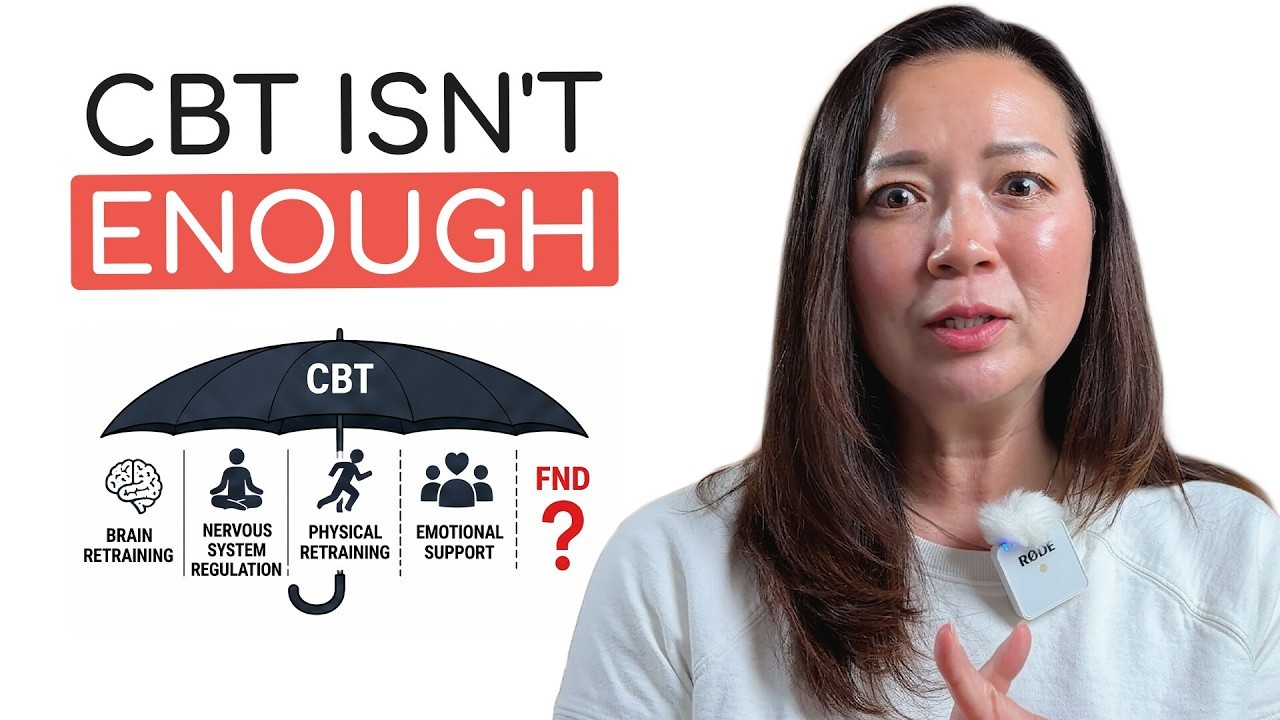
What a Harvard Review Revealed About Full FND Recovery — And Why CBT Alone Keeps Families Stuck
A 2023 Harvard Review of Psychiatry study found that 63 to 95% of children with FND achieve full symptom resolution when all three layers of recovery are addressed — not just CBT alone. Here's what that means for your family.
Read more
Science Deep Dive
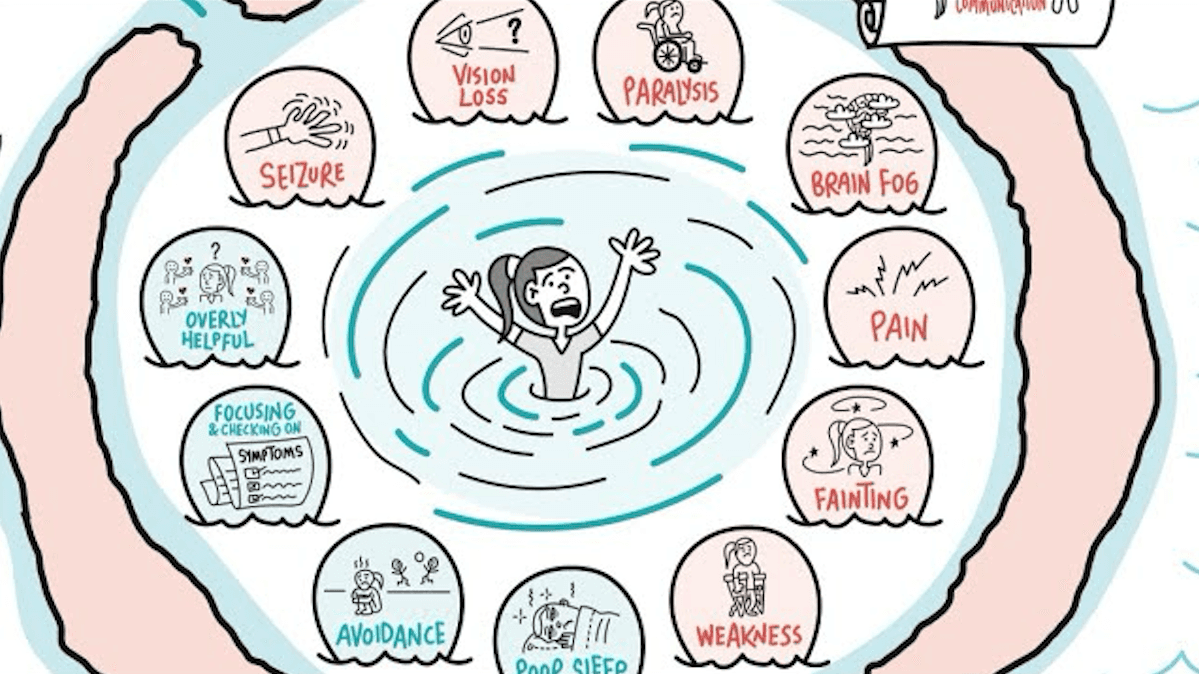
FND Explained: What Parents Need to Know When Symptoms Start
Functional Neurological Disorder can cause seizures, weakness, dizziness, and other symptoms in teens—even when medical tests are normal. Understanding what’s happening in the brain can help families take the next step toward recovery.
Read more

Myth-busting
FND Recovery Action Plan: What Families Can Do Next
After a teen is diagnosed with Functional Neurological Disorder, many parents feel stuck. A clear recovery plan can help families move forward with confidence.
Read more

Client Testimonial
Scientists Are Learning More About FND: What New Research Reveals
New research is helping scientists better understand Functional Neurological Disorder and why the brain can produce real neurological symptoms even when scans appear normal.
Read more
Myth-busting
What Actually Helps Teens Recover from FND?
Many families are told to “wait and see” after a Functional Neurological Disorder diagnosis. But recovery often requires a more structured approach that helps the brain retrain healthier patterns.
Read more
Myth-busting
FND Recovery Isn’t About Eliminating Symptoms
Many parents focus on stopping symptoms first. But real recovery from Functional Neurological Disorder happens when teens rebuild normal functioning and retrain the brain.
Read more
Science Deep Dive
Understanding FND in Teens: Why Symptoms Are Real Even When Tests Are Normal
Functional Neurological Disorder can cause seizures, weakness, dizziness, and other neurological symptoms in teens—even when brain scans and tests appear normal.
Read more
Myth-busting
FND Treatment Explained: How Teens Retrain the Brain for Recovery
When a teen is diagnosed with Functional Neurological Disorder, parents often ask what treatment actually works. Understanding how the brain retrains new patterns is the key to recovery.
Read more
Science Deep Dive
The Surprising Truth About Teen FND: Why Symptoms Aren’t What They Seem
Functional Neurological Disorder can cause serious neurological symptoms even when brain scans look normal. Understanding what’s actually happening in the brain can change how families approach recovery.
Read more

Science Deep Dive
The Hidden Causes of Teen FND: Why Symptoms Suddenly Appear
Functional Neurological Disorder in teens often seems to come out of nowhere. Understanding the hidden factors that affect the brain and nervous system can help families make sense of the symptoms.
Read more
Science Deep Dive
Functional Neurological Disorder in Teens: What Parents Need to Know
FND can cause seizures, paralysis, dizziness, and other neurological symptoms in teens—even when medical tests look normal. Understanding what’s happening in the brain is the first step toward recovery.
Read more
Practical Tips
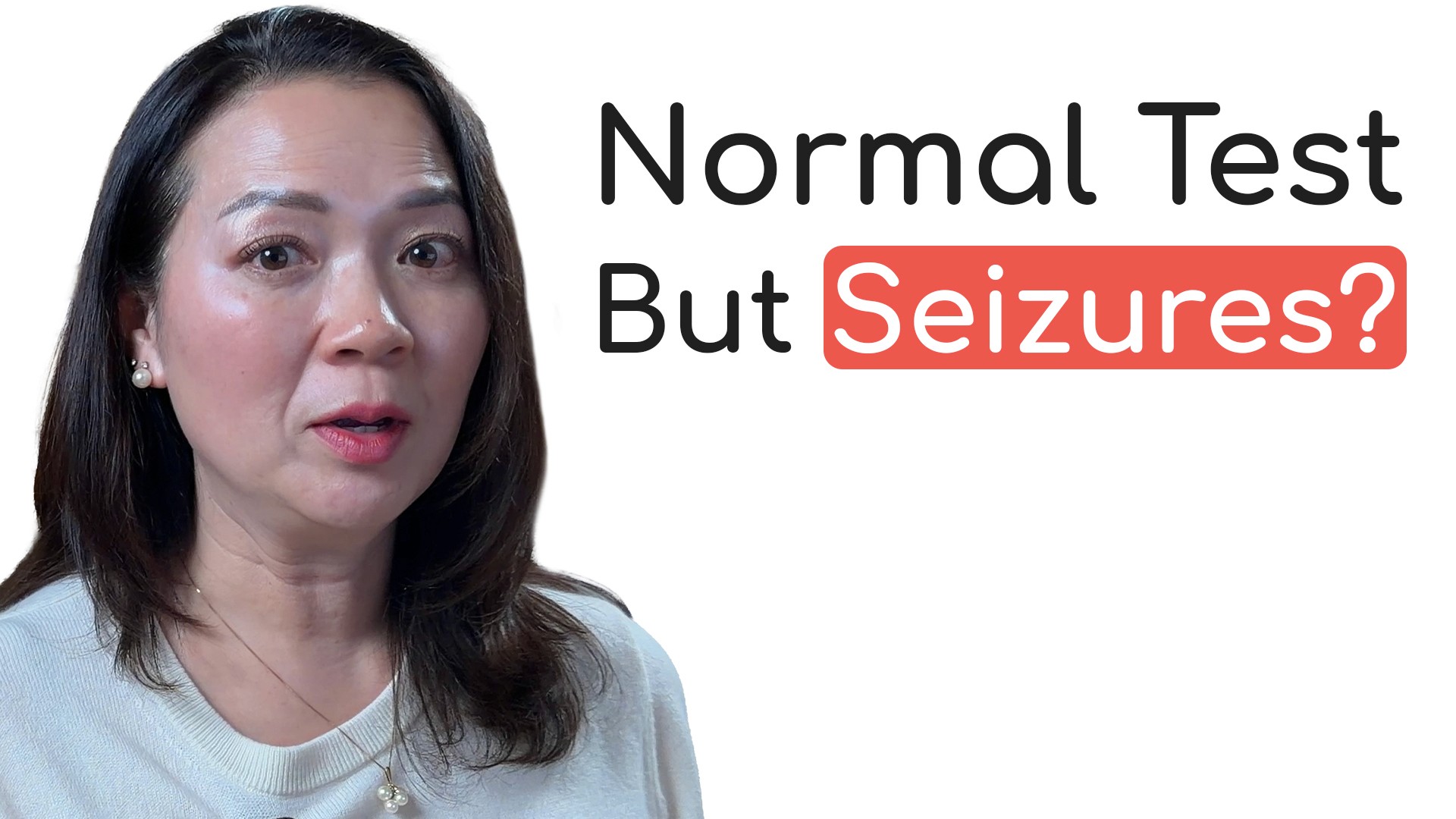
Seizures But Not Epilepsy: Why Some Teens Have Seizures With a Normal EEG
Seeing your teen have seizures is terrifying. But when tests show normal brain activity, the diagnosis may be functional seizures related to Functional Neurological Disorder (FND).
Read more
Myth-busting
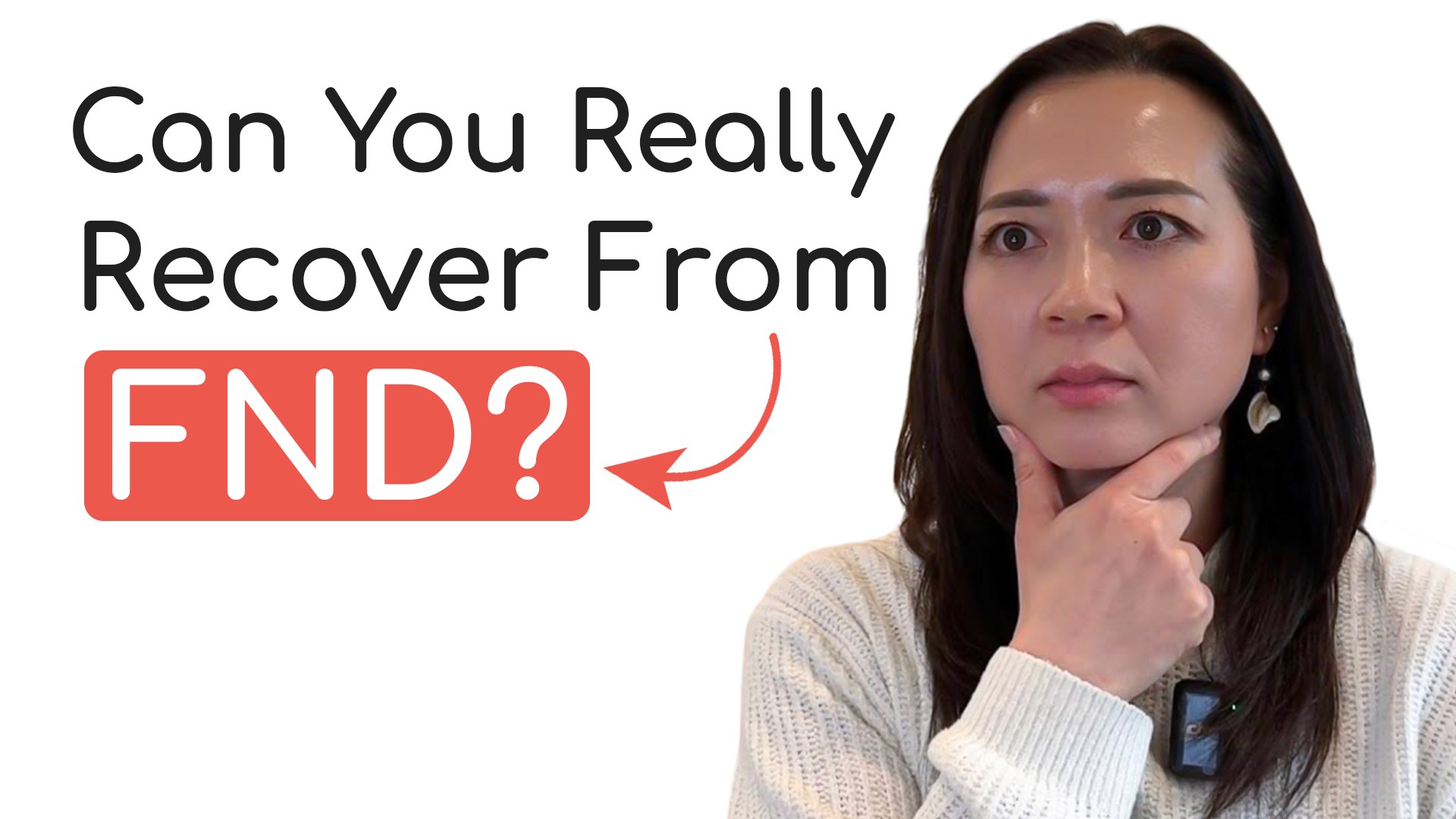
FND Recovery Isn’t Linear: Why Symptoms Can Return
Flare-ups during Functional Neurological Disorder recovery can feel terrifying. Here’s why they happen—and how teens keep making progress.
Read more
Sort
Myth-busting
Reaction Video
Your Teen With FND Doesn't Want Help: What Parents Can Actually Do
When your teen with FND says "leave me alone," pushing harder rarely works — but stepping away completely isn't the answer either. Dr. Jin Lee shares a steady leadership approach that helps parents hold structure while empowering their teen to take responsibility for recovery.
Read more
Science Deep Dive
FND Education
5 Signs Your Teen Is Making FND Recovery Progress — Even When Symptoms Are Still There
Symptom count alone doesn't tell the full story of FND recovery. Here are five signs your teen is genuinely moving forward — even when symptoms still show up.
Read more
Reaction Video
Science Deep Dive
Practical Tips
FND Parents: Stop Asking "How Are Your Symptoms?" — Ask This Instead
Constantly checking on your teen's FND symptoms comes from love — but it may be directing their brain toward the very thing you want to reduce. Here's a better approach.
Read more
Client Testimonial
From Wheelchair to College: How One Family's Entire Life Changed After 7 Years of FND
After seven years of searching for answers, River and his mom Christy found a framework that changed everything — not just for River's FND, but for their entire family's life.
Read more
Science Deep Dive
FND Education
Practical Tips
Fine at Home, Falling Apart at School: Why Your Teen's FND Surges There
If your teen seems okay at home but collapses at school, the answer isn't about what they can or can't do — it's about the load their brain and body are handling. Here's what parents need to know.
Read more
Science Deep Dive
Practical Tips
Teens with FND Don't Need More Accommodation — They Need This
When your teen with FND says "I can't," neither pushing nor protecting is the answer. Learn the third option that helps teens build real independence and move toward recovery.
Read more
FND Education
3 Signs Your Teen With FND Is Actually Getting Better (Even When Symptoms Are Still There)
Symptoms aren't the only measure of FND recovery. Dr. Jin Lee shares three specific signs that tell her a family is genuinely moving in the right direction — even when their teen is still symptomatic.
Read more
FND Education
Reaction Video
A Harvard Psychiatrist Gets This Wrong About Functional Seizures — Here's What Parents Need to Know
Dr. Lee breaks down why the term "pseudo seizure" is outdated and harmful, how functional seizures differ from malingering, and what parents should actually do during an episode.
Read more
Practical Tips
FND Education
FND at School: What Educators Should (and Shouldn't) Do to Support a Teen's Recovery
Well-intended school responses to FND episodes — like calling 911 or sending students home — can actually work against recovery. Dr. Jin Lee explains what schools should do instead and how families and educators can build a practical plan together.
Read more
Practical Tips
Why One Hard Day Doesn't Erase Your Teen's FND Progress — And What to Do Next
A setback can feel like starting over, but the brain science tells a different story. Dr. Jin Lee explains why FND setbacks happen and shares three steps families can take to keep moving forward.
Read more
Practical Tips
Myth-busting
What Harvard Research Actually Says About FND Recovery in Teens (Real Numbers)
Harvard research found that 63 to 95% of children with FND achieved full symptom resolution when key elements were in place. Here's what those elements were — and what most families are still missing.
Read more
Practical Tips
FND Warning Signs: Why Trying to Stop a Flare Can Actually Backfire
Most families hunt for FND triggers, but the real key to recovery lies in understanding warning signs — and why trying to stop a flare before it happens can keep your teen's nervous system stuck on high alert.
Read more
Client Testimonial
From Crutches to Lifting Weights: How Abby's Family Found Their Way Through FND
Six months ago, Abby couldn't walk 20 feet without stopping. Today she's at the gym lifting weights, applying for jobs, and getting her life back — and it started when her whole family committed to a new approach.
Read more
Myth-busting
FND Recovery Includes Going to School — Here's Why
Keeping your teen home from school may feel like the safest choice, but research and clinical experience show that a gradual return to school is actually part of what makes FND recovery happen.
Read more
FND Education
6 Sleep Rules Every FND Parent Should Know
Sleep isn't a nice-to-have for teens with FND — it's the nightly nervous system reset that makes everything else in recovery work better. Here are six practical steps to help your teen build real sleep habits.
Read more
Practical Tips
The School Action Plan Every FND Parent Needs Before an Episode
A school action plan can turn a frightening FND episode at school into something everyone already knows how to handle. Here's exactly what goes into one and why it matters for your teen's recovery.
Read more
Symptom Focused
The Real Science Behind Why School Triggers Your Teen's FND Every Year
Research shows school stress is one of the most common triggers for FND flares in teens. Dr. Lee explains what's happening inside the nervous system — and why pulling your teen out of school isn't the answer.
Read more
Practical Tips
Myth-busting
Why Your FND Teen's Brain Shuts Down During Stress (And What You Can Do About It)
Dissociation is one of the most common — and misunderstood — experiences in teen FND. Dr. Jin Lee breaks down the neuroscience behind why it happens and shares the one co-regulation step parents can use in the moment.
Read more
Client Testimonial
Reaction Video
Chronic Pain and FND: What If Your Teen Doesn't Have Two Separate Problems?
Research shows FND and chronic pain share overlapping brain mechanisms — not separate conditions. Dr. Jin Lee explains why this changes everything about how families approach recovery.
Read more
Practical Tips
Science Shows: Your Teen's Brain Is Built for Change — And That's the Best News for FND Recovery
New research reveals the teenage brain is in its most powerful learning window ever. Dr. Jin Lee explains why this is game-changing news for families navigating FND recovery.
Read more
Expert Interview
Why Functional Neurological Disorder Is So Often Misunderstood — A Yale Neurologist Explains
Yale neurologist and FND Society founding member Dr. Dario Zagar shares why FND remains the most stigmatized condition in neurology and what families need to know about neuroplastic symptoms, diagnosis, and recovery.
Read more
Science Deep Dive
This May Be Why Your Teen Can't Remember What You Said 5 Minutes Ago (Brain Science Explained)
Brain fog in teens with FND isn't laziness or attitude — it's a documented, brain-based symptom. Dr. Jin Lee explains the science behind it and shares one practical communication shift parents can start using today.
Read more
Science Deep Dive
Reaction Video
Can You Really Retrain Your Teen's Brain? What Neuroplasticity Means for FND Recovery
Dr. Lee breaks down the science of neuroplasticity and explains why the teenage brain is uniquely positioned for FND recovery — plus three practical strategies parents can start using.
Read more
Science Deep Dive
Why Treating POTS and FND Separately Is Keeping Your Teen Stuck
If your teen has both POTS and FND, treating them as separate conditions with separate specialists may be the very thing keeping them stuck. Here's what the latest research says about the nervous system connection driving both.
Read more
Reaction Video
FND Education
Why "Validating Feelings" Backfires: What FND Parents Need to Know About Holding Space
Validating your teen's feelings during an FND flare sounds like the right move — but if your mindset is still about making it stop, it can backfire. Dr. Jin Lee breaks down what holding space actually looks like for FND families.
Read more
Reaction Video
Practical Tips
The Neuroscience of the Teenage Brain: Why Your Reward System Might Need an Upgrade
Neuroscientist Dr. Adriana Galván's research reveals why the teenage brain responds to rewards more intensely than adults — and Dr. Jin Lee explains how parents can use this science to build a reward system that actually works for teens with FND.
Read more
FND Education
What a Harvard Review Revealed About Full FND Recovery — And Why CBT Alone Keeps Families Stuck
A 2023 Harvard Review of Psychiatry study found that 63 to 95% of children with FND achieve full symptom resolution when all three layers of recovery are addressed — not just CBT alone. Here's what that means for your family.
Read more
Science Deep Dive
FND Explained: What Parents Need to Know When Symptoms Start
Functional Neurological Disorder can cause seizures, weakness, dizziness, and other symptoms in teens—even when medical tests are normal. Understanding what’s happening in the brain can help families take the next step toward recovery.
Read more
Myth-busting
FND Recovery Action Plan: What Families Can Do Next
After a teen is diagnosed with Functional Neurological Disorder, many parents feel stuck. A clear recovery plan can help families move forward with confidence.
Read more
Client Testimonial
Scientists Are Learning More About FND: What New Research Reveals
New research is helping scientists better understand Functional Neurological Disorder and why the brain can produce real neurological symptoms even when scans appear normal.
Read more
Myth-busting
What Actually Helps Teens Recover from FND?
Many families are told to “wait and see” after a Functional Neurological Disorder diagnosis. But recovery often requires a more structured approach that helps the brain retrain healthier patterns.
Read more
Myth-busting
FND Recovery Isn’t About Eliminating Symptoms
Many parents focus on stopping symptoms first. But real recovery from Functional Neurological Disorder happens when teens rebuild normal functioning and retrain the brain.
Read more
Science Deep Dive
Understanding FND in Teens: Why Symptoms Are Real Even When Tests Are Normal
Functional Neurological Disorder can cause seizures, weakness, dizziness, and other neurological symptoms in teens—even when brain scans and tests appear normal.
Read more
Myth-busting
FND Treatment Explained: How Teens Retrain the Brain for Recovery
When a teen is diagnosed with Functional Neurological Disorder, parents often ask what treatment actually works. Understanding how the brain retrains new patterns is the key to recovery.
Read more
Science Deep Dive
The Surprising Truth About Teen FND: Why Symptoms Aren’t What They Seem
Functional Neurological Disorder can cause serious neurological symptoms even when brain scans look normal. Understanding what’s actually happening in the brain can change how families approach recovery.
Read more
Science Deep Dive
The Hidden Causes of Teen FND: Why Symptoms Suddenly Appear
Functional Neurological Disorder in teens often seems to come out of nowhere. Understanding the hidden factors that affect the brain and nervous system can help families make sense of the symptoms.
Read more
Science Deep Dive
Functional Neurological Disorder in Teens: What Parents Need to Know
FND can cause seizures, paralysis, dizziness, and other neurological symptoms in teens—even when medical tests look normal. Understanding what’s happening in the brain is the first step toward recovery.
Read more
Practical Tips
Seizures But Not Epilepsy: Why Some Teens Have Seizures With a Normal EEG
Seeing your teen have seizures is terrifying. But when tests show normal brain activity, the diagnosis may be functional seizures related to Functional Neurological Disorder (FND).
Read more
Myth-busting
FND Recovery Isn’t Linear: Why Symptoms Can Return
Flare-ups during Functional Neurological Disorder recovery can feel terrifying. Here’s why they happen—and how teens keep making progress.
Read more
Sort
Myth-busting
Reaction Video
Your Teen With FND Doesn't Want Help: What Parents Can Actually Do
When your teen with FND says "leave me alone," pushing harder rarely works — but stepping away completely isn't the answer either. Dr. Jin Lee shares a steady leadership approach that helps parents hold structure while empowering their teen to take responsibility for recovery.
Read more
Science Deep Dive
FND Education
5 Signs Your Teen Is Making FND Recovery Progress — Even When Symptoms Are Still There
Symptom count alone doesn't tell the full story of FND recovery. Here are five signs your teen is genuinely moving forward — even when symptoms still show up.
Read more
Reaction Video
Science Deep Dive
Practical Tips
FND Parents: Stop Asking "How Are Your Symptoms?" — Ask This Instead
Constantly checking on your teen's FND symptoms comes from love — but it may be directing their brain toward the very thing you want to reduce. Here's a better approach.
Read more
Client Testimonial
From Wheelchair to College: How One Family's Entire Life Changed After 7 Years of FND
After seven years of searching for answers, River and his mom Christy found a framework that changed everything — not just for River's FND, but for their entire family's life.
Read more
Science Deep Dive
FND Education
Practical Tips
Fine at Home, Falling Apart at School: Why Your Teen's FND Surges There
If your teen seems okay at home but collapses at school, the answer isn't about what they can or can't do — it's about the load their brain and body are handling. Here's what parents need to know.
Read more
Science Deep Dive
Practical Tips
Teens with FND Don't Need More Accommodation — They Need This
When your teen with FND says "I can't," neither pushing nor protecting is the answer. Learn the third option that helps teens build real independence and move toward recovery.
Read more
FND Education
3 Signs Your Teen With FND Is Actually Getting Better (Even When Symptoms Are Still There)
Symptoms aren't the only measure of FND recovery. Dr. Jin Lee shares three specific signs that tell her a family is genuinely moving in the right direction — even when their teen is still symptomatic.
Read more
FND Education
Reaction Video
A Harvard Psychiatrist Gets This Wrong About Functional Seizures — Here's What Parents Need to Know
Dr. Lee breaks down why the term "pseudo seizure" is outdated and harmful, how functional seizures differ from malingering, and what parents should actually do during an episode.
Read more
Practical Tips
FND Education
FND at School: What Educators Should (and Shouldn't) Do to Support a Teen's Recovery
Well-intended school responses to FND episodes — like calling 911 or sending students home — can actually work against recovery. Dr. Jin Lee explains what schools should do instead and how families and educators can build a practical plan together.
Read more
Practical Tips
Why One Hard Day Doesn't Erase Your Teen's FND Progress — And What to Do Next
A setback can feel like starting over, but the brain science tells a different story. Dr. Jin Lee explains why FND setbacks happen and shares three steps families can take to keep moving forward.
Read more
Practical Tips
Myth-busting
What Harvard Research Actually Says About FND Recovery in Teens (Real Numbers)
Harvard research found that 63 to 95% of children with FND achieved full symptom resolution when key elements were in place. Here's what those elements were — and what most families are still missing.
Read more
Practical Tips
FND Warning Signs: Why Trying to Stop a Flare Can Actually Backfire
Most families hunt for FND triggers, but the real key to recovery lies in understanding warning signs — and why trying to stop a flare before it happens can keep your teen's nervous system stuck on high alert.
Read more
Client Testimonial
From Crutches to Lifting Weights: How Abby's Family Found Their Way Through FND
Six months ago, Abby couldn't walk 20 feet without stopping. Today she's at the gym lifting weights, applying for jobs, and getting her life back — and it started when her whole family committed to a new approach.
Read more
Myth-busting
FND Recovery Includes Going to School — Here's Why
Keeping your teen home from school may feel like the safest choice, but research and clinical experience show that a gradual return to school is actually part of what makes FND recovery happen.
Read more
FND Education
6 Sleep Rules Every FND Parent Should Know
Sleep isn't a nice-to-have for teens with FND — it's the nightly nervous system reset that makes everything else in recovery work better. Here are six practical steps to help your teen build real sleep habits.
Read more
Practical Tips
The School Action Plan Every FND Parent Needs Before an Episode
A school action plan can turn a frightening FND episode at school into something everyone already knows how to handle. Here's exactly what goes into one and why it matters for your teen's recovery.
Read more
Symptom Focused
The Real Science Behind Why School Triggers Your Teen's FND Every Year
Research shows school stress is one of the most common triggers for FND flares in teens. Dr. Lee explains what's happening inside the nervous system — and why pulling your teen out of school isn't the answer.
Read more
Practical Tips
Myth-busting
Why Your FND Teen's Brain Shuts Down During Stress (And What You Can Do About It)
Dissociation is one of the most common — and misunderstood — experiences in teen FND. Dr. Jin Lee breaks down the neuroscience behind why it happens and shares the one co-regulation step parents can use in the moment.
Read more
Client Testimonial
Reaction Video
Chronic Pain and FND: What If Your Teen Doesn't Have Two Separate Problems?
Research shows FND and chronic pain share overlapping brain mechanisms — not separate conditions. Dr. Jin Lee explains why this changes everything about how families approach recovery.
Read more
Practical Tips
Science Shows: Your Teen's Brain Is Built for Change — And That's the Best News for FND Recovery
New research reveals the teenage brain is in its most powerful learning window ever. Dr. Jin Lee explains why this is game-changing news for families navigating FND recovery.
Read more
Expert Interview
Why Functional Neurological Disorder Is So Often Misunderstood — A Yale Neurologist Explains
Yale neurologist and FND Society founding member Dr. Dario Zagar shares why FND remains the most stigmatized condition in neurology and what families need to know about neuroplastic symptoms, diagnosis, and recovery.
Read more
Science Deep Dive
This May Be Why Your Teen Can't Remember What You Said 5 Minutes Ago (Brain Science Explained)
Brain fog in teens with FND isn't laziness or attitude — it's a documented, brain-based symptom. Dr. Jin Lee explains the science behind it and shares one practical communication shift parents can start using today.
Read more
Science Deep Dive
Reaction Video
Can You Really Retrain Your Teen's Brain? What Neuroplasticity Means for FND Recovery
Dr. Lee breaks down the science of neuroplasticity and explains why the teenage brain is uniquely positioned for FND recovery — plus three practical strategies parents can start using.
Read more
Science Deep Dive
Why Treating POTS and FND Separately Is Keeping Your Teen Stuck
If your teen has both POTS and FND, treating them as separate conditions with separate specialists may be the very thing keeping them stuck. Here's what the latest research says about the nervous system connection driving both.
Read more
Reaction Video
FND Education
Why "Validating Feelings" Backfires: What FND Parents Need to Know About Holding Space
Validating your teen's feelings during an FND flare sounds like the right move — but if your mindset is still about making it stop, it can backfire. Dr. Jin Lee breaks down what holding space actually looks like for FND families.
Read more
Reaction Video
Practical Tips
The Neuroscience of the Teenage Brain: Why Your Reward System Might Need an Upgrade
Neuroscientist Dr. Adriana Galván's research reveals why the teenage brain responds to rewards more intensely than adults — and Dr. Jin Lee explains how parents can use this science to build a reward system that actually works for teens with FND.
Read more
FND Education
What a Harvard Review Revealed About Full FND Recovery — And Why CBT Alone Keeps Families Stuck
A 2023 Harvard Review of Psychiatry study found that 63 to 95% of children with FND achieve full symptom resolution when all three layers of recovery are addressed — not just CBT alone. Here's what that means for your family.
Read more
Science Deep Dive
FND Explained: What Parents Need to Know When Symptoms Start
Functional Neurological Disorder can cause seizures, weakness, dizziness, and other symptoms in teens—even when medical tests are normal. Understanding what’s happening in the brain can help families take the next step toward recovery.
Read more
Myth-busting
FND Recovery Action Plan: What Families Can Do Next
After a teen is diagnosed with Functional Neurological Disorder, many parents feel stuck. A clear recovery plan can help families move forward with confidence.
Read more
Client Testimonial
Scientists Are Learning More About FND: What New Research Reveals
New research is helping scientists better understand Functional Neurological Disorder and why the brain can produce real neurological symptoms even when scans appear normal.
Read more
Myth-busting
What Actually Helps Teens Recover from FND?
Many families are told to “wait and see” after a Functional Neurological Disorder diagnosis. But recovery often requires a more structured approach that helps the brain retrain healthier patterns.
Read more
Myth-busting
FND Recovery Isn’t About Eliminating Symptoms
Many parents focus on stopping symptoms first. But real recovery from Functional Neurological Disorder happens when teens rebuild normal functioning and retrain the brain.
Read more
Science Deep Dive
Understanding FND in Teens: Why Symptoms Are Real Even When Tests Are Normal
Functional Neurological Disorder can cause seizures, weakness, dizziness, and other neurological symptoms in teens—even when brain scans and tests appear normal.
Read more
Myth-busting
FND Treatment Explained: How Teens Retrain the Brain for Recovery
When a teen is diagnosed with Functional Neurological Disorder, parents often ask what treatment actually works. Understanding how the brain retrains new patterns is the key to recovery.
Read more
Science Deep Dive
The Surprising Truth About Teen FND: Why Symptoms Aren’t What They Seem
Functional Neurological Disorder can cause serious neurological symptoms even when brain scans look normal. Understanding what’s actually happening in the brain can change how families approach recovery.
Read more
Science Deep Dive
The Hidden Causes of Teen FND: Why Symptoms Suddenly Appear
Functional Neurological Disorder in teens often seems to come out of nowhere. Understanding the hidden factors that affect the brain and nervous system can help families make sense of the symptoms.
Read more
Science Deep Dive
Functional Neurological Disorder in Teens: What Parents Need to Know
FND can cause seizures, paralysis, dizziness, and other neurological symptoms in teens—even when medical tests look normal. Understanding what’s happening in the brain is the first step toward recovery.
Read more
Practical Tips
Seizures But Not Epilepsy: Why Some Teens Have Seizures With a Normal EEG
Seeing your teen have seizures is terrifying. But when tests show normal brain activity, the diagnosis may be functional seizures related to Functional Neurological Disorder (FND).
Read more
Myth-busting
FND Recovery Isn’t Linear: Why Symptoms Can Return
Flare-ups during Functional Neurological Disorder recovery can feel terrifying. Here’s why they happen—and how teens keep making progress.
Read more
Clarity. Structure. Recovery.
© 2026 Teen FND Academy. All Rights Reserved.
Clarity. Structure. Recovery.
© 2026 Teen FND Academy. All Rights Reserved.
Clarity. Structure. Recovery.
© 2026 Teen FND Academy. All Rights Reserved.