
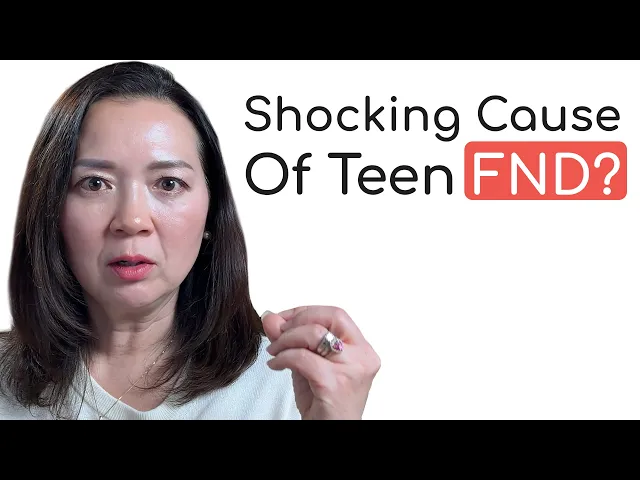
Functional Neurological Disorder in Teens: What Parents Need to Know

Dr. Jin Lee, PsyD
Functional Neurological Disorder in Teens: Understanding Symptoms and Recovery
Functional Neurological Disorder (FND) occurs when the brain and body struggle to communicate properly, leading to real neurological symptoms such as seizures, weakness, dizziness, or paralysis. In teens, FND often appears suddenly and can be confusing because medical tests like MRIs or EEGs may look normal. Understanding how the brain develops these symptom patterns can help families begin the path toward recovery.
Introduction
When a teen suddenly develops neurological symptoms, it can be terrifying for families.
A child who was previously healthy may begin experiencing seizures, weakness, dizziness, fainting, or even paralysis. Parents often rush through medical testing expecting to find a clear cause.
But many families hear something confusing from doctors:
All of the tests look normal.
In many of these cases, the diagnosis is Functional Neurological Disorder, or FND. While the symptoms are very real, the condition is related to how the brain is functioning rather than damage to the brain itself.
Understanding what FND is—and why it happens—can help families begin to see a path toward recovery.
What Is Functional Neurological Disorder?
Functional Neurological Disorder occurs when the brain and body lose clear communication.
The brain is responsible for coordinating movement, sensation, attention, and emotional responses. In FND, those systems begin sending mixed signals. As a result, the body may produce neurological symptoms even though the brain itself is structurally healthy.
This is why medical tests like MRIs or EEGs often appear normal.
The symptoms, however, are very real.
Teens with FND may experience episodes that look like seizures, sudden weakness in their legs, difficulty walking, dizziness, or problems with coordination. These symptoms can appear suddenly and often disrupt school, sports, and daily life.
Why FND Often Appears in Teens
Adolescence is a time when the brain is undergoing significant development. At the same time, teens are often navigating major changes in school, relationships, identity, and independence.
During this stage, the brain is especially sensitive to stress and neurological overload.
Sometimes the brain develops patterns that begin triggering symptoms automatically. These patterns can be influenced by a variety of factors such as illness, injury, stress, or nervous system dysregulation.
Once the brain learns these patterns, symptoms may continue even after the original trigger has passed.
This does not mean the teen is choosing the symptoms. Instead, the brain has learned responses that now happen automatically.
Why the Symptoms Are Real
One of the most important things for families to understand is that FND symptoms are real.
Teens are not imagining them. They are not pretending. And they are not trying to cause them.
Instead, the brain has learned patterns that trigger physical responses in the body. These responses can affect movement, sensation, and awareness in ways that resemble other neurological conditions.
The key difference is that the brain’s structure is intact.
Because the brain is capable of learning patterns, it is also capable of learning new ones.
“In Functional Neurological Disorder, the brain has learned patterns that trigger symptoms. But the brain can also learn new patterns that support recovery.”
Conclusion
Functional Neurological Disorder can be confusing and frightening for families when symptoms first appear.
When medical tests come back normal, parents often feel stuck between uncertainty and fear. But understanding how the brain develops these symptom patterns can help families begin moving forward.
FND is a condition related to brain function rather than permanent damage. That means the brain is capable of change.
With the right recovery strategies and consistent support, many teens are able to retrain their brains, rebuild confidence in their bodies, and return to normal life.
For many families, understanding what FND is becomes the first step toward recovery.
Share this
Comments
>No comments yet. Be the first!
Related Post
The Hidden Causes of Teen FND: Why Symptoms Suddenly Appear
Functional Neurological Disorder in teens often seems to come out of nowhere. Understanding the hidden factors that affect the brain and nervous system can help families make sense of the symptoms.
Read more
The Surprising Truth About Teen FND: Why Symptoms Aren’t What They Seem
Functional Neurological Disorder can cause serious neurological symptoms even when brain scans look normal. Understanding what’s actually happening in the brain can change how families approach recovery.
Read more
Understanding FND in Teens: Why Symptoms Are Real Even When Tests Are Normal
Functional Neurological Disorder can cause seizures, weakness, dizziness, and other neurological symptoms in teens—even when brain scans and tests appear normal.
Read more