
FND Explained: What Parents Need to Know When Symptoms Start

Dr. Jin Lee, PsyD
Functional Neurological Disorder Explained for Families
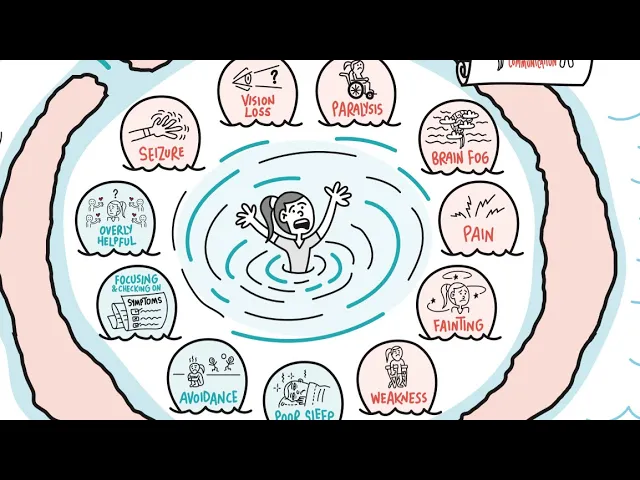
Functional Neurological Disorder (FND) occurs when the brain has trouble sending and processing signals between the brain and body. This disruption can cause real neurological symptoms such as seizures, weakness, dizziness, or movement problems—even though medical tests like MRIs and EEGs appear normal. Understanding how FND works is an important first step toward recovery.
Introduction
When a teen suddenly develops neurological symptoms, families often feel scared and confused.
A child who was previously healthy may begin experiencing seizures, dizziness, weakness, fainting, or difficulty walking. Parents usually move quickly through medical testing, hoping doctors will find a clear explanation.
But in many cases, those tests come back normal.
This is when some families first hear the diagnosis Functional Neurological Disorder, or FND.
Because the symptoms can look similar to other neurological conditions, the diagnosis can feel confusing at first. But understanding what Functional Neurological Disorder actually is—and how it affects the brain—can help families begin to move forward with clarity and confidence.
What Functional Neurological Disorder Means
Functional Neurological Disorder affects how the brain communicates with the body.
The brain controls movement, sensation, balance, attention, and awareness. In FND, those communication systems become disrupted, which can cause the body to produce neurological symptoms even though the brain itself is structurally healthy.
This is why tests like MRIs and EEGs often appear normal.
The symptoms, however, are very real.
Teens with FND may experience seizures, weakness, dizziness, movement difficulties, or sudden loss of coordination. These symptoms can appear suddenly and often interfere with school, sports, and everyday life.
Why Symptoms Can Appear Suddenly
One of the most confusing parts of FND is how quickly symptoms can appear.
Many teens seem completely healthy until one day symptoms begin. In reality, the brain may have been under increasing pressure long before that moment.
Illness, injury, stress, nervous system overload, or major life changes can all affect how the brain processes signals. When the brain becomes overwhelmed, it may begin triggering protective responses that affect movement or awareness.
Over time, the brain can learn patterns that continue triggering symptoms even after the original trigger has passed.
Why Symptoms Are Not Under a Teen’s Control
Parents sometimes worry that their teen may be exaggerating or imagining symptoms.
But FND symptoms are not voluntary.
The brain has developed patterns that trigger physical responses in the body, and those responses happen automatically. This means the teen is not choosing the symptoms and cannot simply “push through” them.
Understanding this helps families shift away from blame and toward supporting recovery.
“Functional Neurological Disorder symptoms are real. They happen because the brain has developed patterns that affect how it communicates with the body.”
Conclusion
Functional Neurological Disorder can feel confusing and overwhelming when symptoms first appear.
But when families begin to understand how the brain develops these patterns, the condition starts to make more sense.
Because FND involves brain function rather than structural damage, the brain has the ability to learn new patterns that support recovery.
If you’re looking for a clear starting point, you can explore our Family Recovery Guide here:
https://teenfndacademy.com/guide
For many families, understanding FND is the first step toward helping their teen retrain the brain and move forward with confidence.
Share this
Comments
>No comments yet. Be the first!
Related Post
Functional Neurological Disorder in Teens: What Parents Need to Know
FND can cause seizures, paralysis, dizziness, and other neurological symptoms in teens—even when medical tests look normal. Understanding what’s happening in the brain is the first step toward recovery.
Read more
The Hidden Causes of Teen FND: Why Symptoms Suddenly Appear
Functional Neurological Disorder in teens often seems to come out of nowhere. Understanding the hidden factors that affect the brain and nervous system can help families make sense of the symptoms.
Read more
The Surprising Truth About Teen FND: Why Symptoms Aren’t What They Seem
Functional Neurological Disorder can cause serious neurological symptoms even when brain scans look normal. Understanding what’s actually happening in the brain can change how families approach recovery.
Read more