
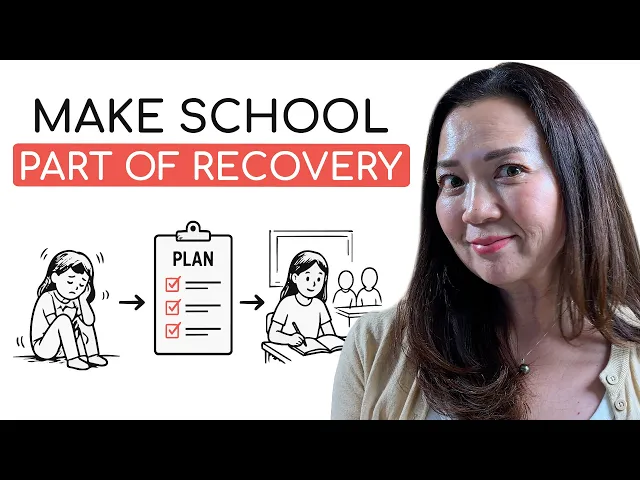
FND at School: What Educators Should (and Shouldn't) Do to Support a Teen's Recovery

Dr. Jin Lee, PsyD
When a student has an FND episode at school, caring educators naturally want to protect them. So they call 911, send the student home, or clear the classroom.
These responses come from a good place. But what if they're actually making it harder for the student to stay in school and move toward recovery?
In this post, Dr. Jin Lee breaks down the five most common school responses that can backfire — and shares a clear, research-backed framework for what educators and families should do instead. This isn't about ignoring symptoms or cutting corners on safety. It's about understanding that school is part of the recovery environment, not a reward waiting at the end of it.
Key Takeaways
Automatically calling 911 or sending a student home after every FND episode can increase fear and make returning to school harder.
Clearing the classroom or treating every episode as a medical crisis draws unnecessary attention and can leave the student feeling embarrassed or dangerous.
School is part of the recovery environment — not a reward a student earns after getting better.
A practical FND adjustment plan should be created collaboratively with the student, family, and school staff.
Success isn't about zero symptoms on campus — it's about the student staying safe, following a plan, and returning to participation.
What Educators Need to Understand About FND First
Functional neurological disorder affects how the brain's networks communicate with the body. A student with FND may experience shaking, weakness, difficulty walking, speech changes, functional seizures, altered awareness, or other neurological symptoms.
These symptoms are real. The student is not faking, manipulating, or choosing not to participate.
FND symptoms can also change from one moment to the next. A student might walk into school fine in the morning and struggle to walk later. That variability is a well-known feature of pediatric FND — not evidence that someone is making things up.
Once a student has been medically evaluated and the school understands their FND symptoms, every episode does not require an emergency medical response. That distinction matters enormously.
Five Common School Responses That Backfire
1. Automatically calling 911 every time. If a student is injured or the situation meets emergency criteria, of course call for help. But repeated emergency calls for known FND symptoms increase fear and disruption. They send an invisible message to the student's nervous system: every episode is dangerous.
2. Automatically sending the student home. Symptoms don't always mean the student can no longer participate. When every episode ends with dismissal, the student loses school time — and returning the next day becomes even harder. The first question after an episode should be: what is the next manageable step back into the school day?
3. Treating every episode like a medical crisis. Alarms, crowds, repeated questioning, and intense attention can turn a manageable episode into a major school event. A helpful response is calm, brief, and familiar: "You're having an episode. You're safe. We know what to do. Let's follow your plan."
4. Clearing the entire classroom. There are times when moving other students is necessary for safety. But as an automatic response, it draws more attention, frightens classmates, and can leave the student feeling embarrassed or believing they're dangerous.
5. Building the entire response around liability alone. Safety matters — but trying to eliminate every possible risk can lead to unnecessary restrictions or excluding the student from school entirely. The better question isn't "How do we make sure this student never has symptoms on campus?" It's "How do we keep this student appropriately safe while helping them remain on campus and participate?"
The Plan Must Include the Student and Family
Families can explain what the student's FND symptoms look like, what the medical team has recommended, and what helps or makes things worse. The student can share what feels reassuring, what feels unhelpful, and what helps them return to class.
School staff see the student during classes, transitions, lunch, PE, and peer interactions. Everyone holds a different piece of the picture. The plan works best when those pieces are brought together.
What Schools Should Do Instead
Step 1: Educate. Staff working directly with the student should understand that FND symptoms are real and involuntary, that symptoms may fluctuate, and that FND is a treatable and solvable situation. Schools aren't expected to diagnose or treat FND — that's the medical team's role.
Step 2: Create a practical FND adjustment plan. An IEP or Section 504 plan may eventually be helpful, but formal processes take time. Schools need a practical plan for what to do if symptoms happen tomorrow morning. This adjustment plan should answer: What do the student's symptoms look like? What should staff do first? Where can the student go for a brief reset? What strategies has the student practiced? When should the family be contacted? And when will the team review and adjust the plan? Unlike a medical plan for a stable condition, FND fluctuates — so the plan needs regular review.
Step 3: Respond calmly when an episode happens. Reduce unnecessary attention. Follow the plan. Use brief, reassuring language. Give the student a chance to use the strategies they've been practicing. Then help them return to an appropriate part of the school day.
What the Research Supports
A 2024 article on supporting children and adolescents with FND in schools emphasized continuing school participation, collaborating with school teams, using individualized plans, and planning for school reintegration. A broader 2022 review of pediatric FND treatment found that treatment programs commonly address daily functioning and school-related factors.
One school adjustment won't cure FND. But school is part of a student's recovery environment. Recovery doesn't only happen in a doctor's office — it also happens when a student learns they can experience symptoms, use a plan, and get back to their life.
What Success Actually Looks Like
Success doesn't mean zero symptoms at school. What we often see is that success looks more like fewer unnecessary medical calls, the student remaining at school after an episode, less time out of class, faster return to activities, and more independence.
A difficult episode doesn't automatically mean the plan failed. The better question is: Did we keep the student safe, follow the plan, and help them take the next step back toward participation?
Educators are not expected to become FND specialists. But learning the basics, listening to the student and family, and following one consistent plan can make a huge difference.
If you're a parent looking for a structured approach to help your teen move through FND recovery — including guidance for building a school plan — visit teenfndacademy.com to learn more about how the program supports families.
References
Borner, K., & Laptook, R. (2024). Supporting children and adolescents with functional Neurological Disorder in the school setting. Rhode Island Medical Journal (2013), 107(11), 29–33.
Vassilopoulos, A., Mohammad, S. S., Dure, L., Kozlowska, K., & Fobian, A. D. (2022). Treatment approaches for functional neurological disorders in children. Current Treatment Options in Neurology, 24, 77–97. View study
Share this
Comments
>No comments yet. Be the first!
Related Post

Seizures But Not Epilepsy: Why Some Teens Have Seizures With a Normal EEG
Seeing your teen have seizures is terrifying. But when tests show normal brain activity, the diagnosis may be functional seizures related to Functional Neurological Disorder (FND).
Read more
What a Harvard Review Revealed About Full FND Recovery — And Why CBT Alone Keeps Families Stuck
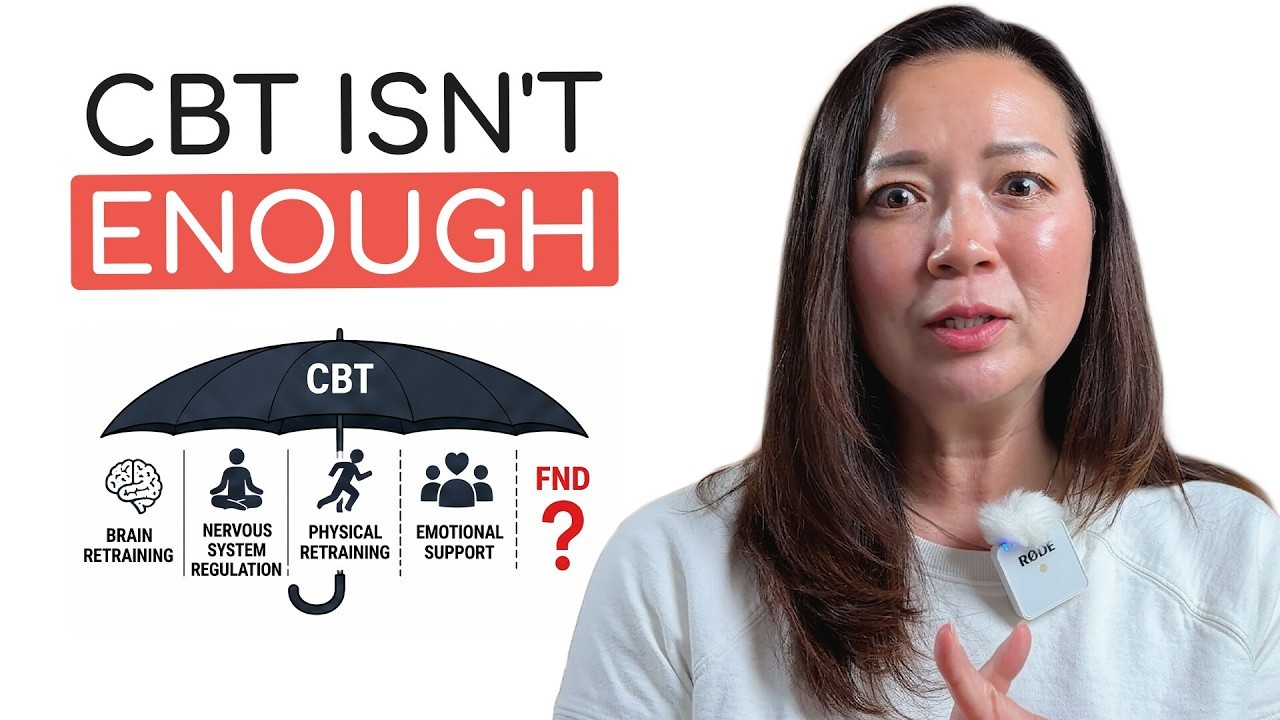
A 2023 Harvard Review of Psychiatry study found that 63 to 95% of children with FND achieve full symptom resolution when all three layers of recovery are addressed — not just CBT alone. Here's what that means for your family.
Read more

The Neuroscience of the Teenage Brain: Why Your Reward System Might Need an Upgrade
Neuroscientist Dr. Adriana Galván's research reveals why the teenage brain responds to rewards more intensely than adults — and Dr. Jin Lee explains how parents can use this science to build a reward system that actually works for teens with FND.
Read more