
FND Recovery Has 4 Stages: Where Is Your Teen Right Now?

Dr. Jin Lee, PsyD
You've read everything. You've tried the things. And somehow your teen is in roughly the same place they were six months ago.
Somewhere in all of that, you may have started quietly wondering whether you are the one getting this wrong.
Here's what Dr. Lee wants you to hear: being stuck does not mean you're doing something wrong. It usually means your family is in a stage that needs something different from what you're currently doing.
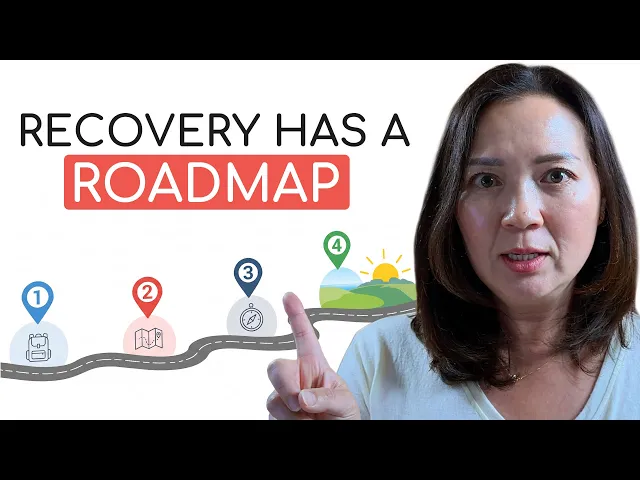
In this post, Dr. Lee walks through the four stages families tend to move through in FND recovery — reacting, learning, practicing, and living beyond FND — and helps you figure out which one your family is in right now. The answer has far less to do with how many symptoms your teen has than you might think.
Key Takeaways
The stage your family is in has less to do with how many symptoms your teen has and more to do with what's driving your family's decisions and behaviors.
Knowing about FND is not the same as recovering from FND — understanding must translate into changed responses and consistent action.
Living beyond FND doesn't require zero symptoms — it means symptoms are no longer automatically changing the direction of your teen's life.
Parents don't need to become the FND expert — they need to become the steady, confident leader in their household.
Stage One: Reacting
In the reacting stage, FND is literally driving the family's decisions. Can she go to school today? Let's see how she feels. Should he go out with friends? It depends on his symptoms.
Sometimes reacting looks like doing too much — constantly checking in, asking how bad the symptoms are, adjusting every plan around what FND is doing that moment. Other times, it looks like backing off completely. Your teen says "I'm fine, leave me alone," and you step away because you want to respect their independence.
Both patterns are still organized around FND. One family revolves around the symptoms. The other revolves around avoiding the conversation about them. Neither one is the same as recovery.
The Wrong Question vs. the Right One
Parents often ask: "How much should I push and how much should I pull back?" What families I've worked with discover is that this question still keeps all the attention on a teen's immediate reaction.
A more helpful question is: What does my teen need from me that actually helps them get better — not just feel better in this moment?
That shift is parent leadership. Your teen absolutely gets a voice. But their distress does not automatically determine what the whole family does next.
Stage Two: Learning
This is where families begin to understand what FND actually is — and just as importantly, what it is not. FND involves a problem with how the brain and body communicate and function together. The symptoms are real. Your teen is not making them up.
What we often see is families getting caught searching for one hidden cause — one vitamin deficiency, one traumatic event, one thing the scan missed. But FND is not usually explained by a single cause. After working with hundreds of teens, Dr. Lee has never seen anyone with just one factor involved.
Another important piece of learning is understanding "symptom whack-a-mole." One symptom gets better, another pops up. Walking improves but dizziness appears. Seizures calm down but pain gets worse. This fluctuation is common, especially in children and adolescents, and it does not automatically mean things are getting worse.
The Stage Two Trap
Here's where many families get stuck: you can understand FND beautifully and still respond to symptoms the exact same way. You can explain neuroplasticity, watch every video, read every article — and still avoid the same things, still wait for symptoms to improve before rebuilding life.
Knowing about FND is not the same as recovering from FND. The real purpose of this stage is to use what you've learned to identify what's keeping your teen stuck — and then change what you actually do because of it.
Stage Three: Practicing
This is where learning starts changing behavior. Instead of asking "how bad are the symptoms today," the family starts asking "what does recovery look like today?"
Your teen is learning to use skills rather than waiting for symptoms to disappear first. Parents are practicing too — becoming less reactive, maintaining more consistent expectations, and giving their teen opportunities to build capacity.
But there are two common traps here. First, only pulling out recovery skills during a crisis. This process is built to work through consistent daily practice, not just in high-pressure moments. Think of an athlete who never practices a skill and then tries to use it at a championship game.
Second, trying to piece together a DIY recovery plan from every new suggestion you find online. What often happens is the teen gets discouraged after enough attempts don't work, stops trusting suggestions, and says "I'm not trying anything else." That's very different from having a coherent plan with expert guidance.
Parents don't need to become the FND expert themselves. They need to become the steady, confident leader in their household.
Stage Four: Living Beyond FND
This is where life starts driving the decisions instead of symptoms. Your teen is thinking about school, friends, goals, and the future — not constantly asking what FND will allow them to do today.
But living beyond FND is not the same as pretending FND isn't there. What we often see, especially with high-achieving teens, is a pattern of suppressing what's actually happening and pushing through until they crash. That's avoidance, not recovery.
True recovery means your teen can notice what's happening, use the skills they've built, and keep making decisions based on their life rather than fear of symptoms. FND can be present without being in charge.
And here's the good news: living beyond FND does not require zero symptoms. There may still be flare-ups and difficult days. The difference is that symptoms are no longer automatically changing the direction of your teen's life.
Where Is Your Family Right Now?
Think about what's really driving your family's decisions most of the time. Is it FND? Is it understanding? Is life beginning to lead the way?
Families can move back and forth between stages — this isn't a perfectly linear path. The goal is to recognize where you are, understand what's keeping you stuck, and know what needs to change to keep moving forward.
If you're ready to figure out your family's next step, visit teenfndacademy.com to learn how Dr. Lee's program is helping families move through these stages and get their teens' lives back.
Share this
Comments
>No comments yet. Be the first!
Related Post
Seizures But Not Epilepsy: Why Some Teens Have Seizures With a Normal EEG
Seeing your teen have seizures is terrifying. But when tests show normal brain activity, the diagnosis may be functional seizures related to Functional Neurological Disorder (FND).
Read more
What a Harvard Review Revealed About Full FND Recovery — And Why CBT Alone Keeps Families Stuck
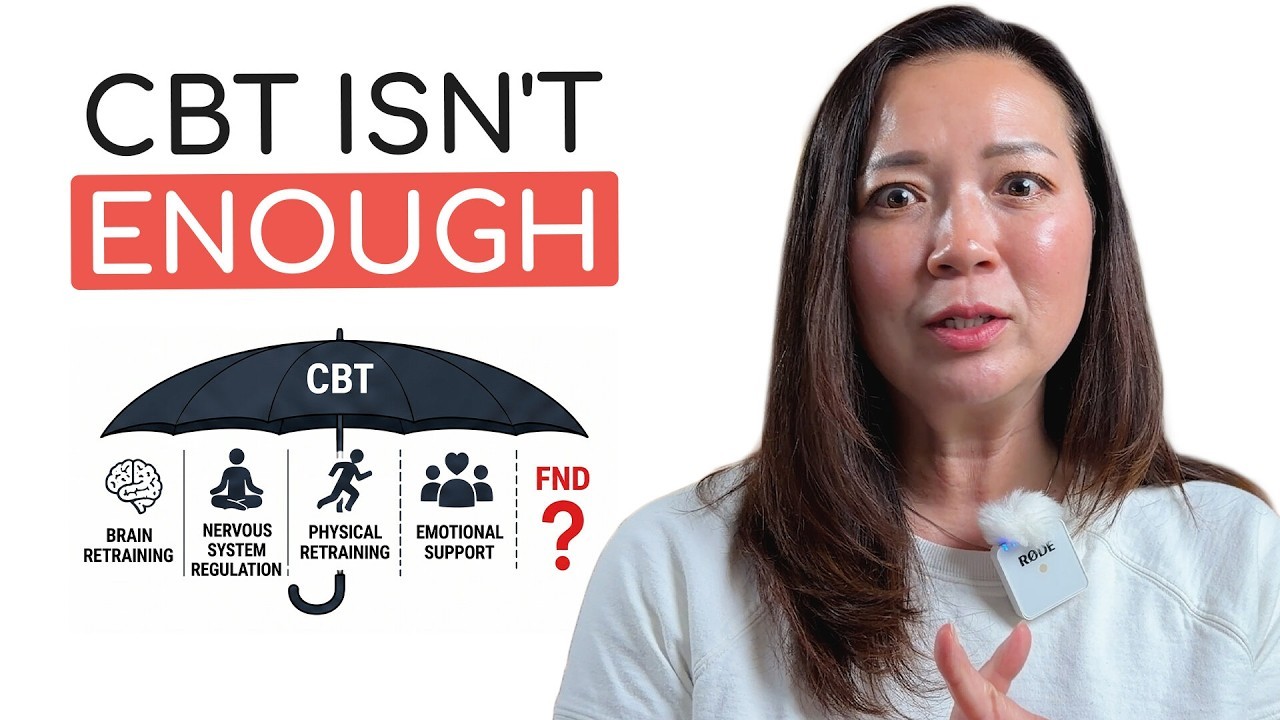
A 2023 Harvard Review of Psychiatry study found that 63 to 95% of children with FND achieve full symptom resolution when all three layers of recovery are addressed — not just CBT alone. Here's what that means for your family.
Read more

The Neuroscience of the Teenage Brain: Why Your Reward System Might Need an Upgrade
Neuroscientist Dr. Adriana Galván's research reveals why the teenage brain responds to rewards more intensely than adults — and Dr. Jin Lee explains how parents can use this science to build a reward system that actually works for teens with FND.
Read more