
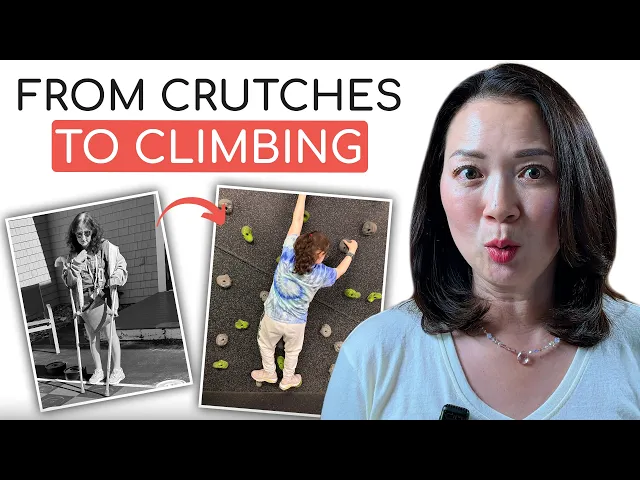
From Crutches to Lifting Weights: How Abby's Family Found Their Way Through FND

Dr. Jin Lee, PsyD
Six months ago, Abby couldn't walk 20 feet across the living room without stopping halfway to rest. She relied on forearm crutches. She had stopped doing arts and crafts because her hands wouldn't cooperate. Finding words was a struggle.
Today, Abby runs up and down stairs. She's at the gym two to three times a week lifting weights. She goes into stores on her own. She's applying for jobs. She finished a 2,000-piece Lego set. She made a card for her physical therapist — with a drawing of herself throwing her crutches into a garbage can.
What changed? Not one single thing. It was a family-wide shift in understanding, in how her parents responded to symptoms, and in Abby's own growing confidence that she could get her life back on her own terms.
In this conversation, Abby and her parents Stacy and Pete share what life looked like before, what actually made the difference, and what they'd tell any family who feels stuck right now. Pay attention to what Abby says about being resistant at first — and what ultimately changed for her.
Key Takeaways
Recovery doesn't require your teen to be 100% ready. Abby was skeptical at first but found connection and momentum through the process.
Shifting from symptom-focused parenting to celebrating small wins changed the entire family dynamic. These "golden BB moments" added up to major progress.
Building confidence through small, consistent progress led to breakthroughs in mobility, independence, and daily life.
Where Abby Started
Abby was 14 when she was first diagnosed with a complex medical condition. Years of navigating that — along with the traumatic experiences that followed — eventually led to an FND diagnosis. By the time her family found Teen FND Academy, Abby was 19, using crutches to get around, and struggling with basic tasks.
Her mom Stacy described it plainly: walking from the couch to the bathroom — maybe 20 feet — meant stopping partway to rest. Going up stairs required both banisters and frequent breaks. Abby had stopped painting because her hands wouldn't cooperate.
The family was exhausted, overwhelmed, and unsure what else to try.
What Abby Says Changed Everything
Here's the part that might surprise you: Abby didn't want to join the program.
She was resistant to getting on the calls. She wasn't sure it would help. But once she started connecting with other teens going through similar experiences, something shifted.
As Abby put it, she made friends with people she'd never met in person — and started setting alarms on her phone so she wouldn't miss the weekly calls. The sense of community, of being understood by peers who truly got it, became a turning point.
She also shared that the educational modules helped her realize that everything she was feeling was normal. That alone gave her permission to take breaks without guilt, appreciate small progress, and stop measuring herself against where she thought she "should" be.
The Shift That Changed the Whole Family
Abby's progress wasn't just about what she did — it was also about what her parents learned to do differently.
Stacy and Pete both talked openly about how hard it was to stop being symptom-focused. They wanted to fix things. They wanted to ask, "Are you okay?" every few minutes. They wanted to be home at all times, just in case.
But through the program, they learned to pull back — not because they stopped caring, but because they recognized that hovering was reinforcing the stuck cycle. They learned to celebrate what Abby could do instead of focusing on what she couldn't.
Stacy described it as a mindset shift: instead of asking "Why aren't we there yet?", they started noticing the small wins. Abby went up the stairs without stopping. She held three things in one hand while climbing with the other. She cut sweet potatoes with a knife — something that would have been unthinkable months earlier.
Pete called these moments exactly what families in the program learn to recognize: golden BB moments. Small on their own, but they add up.
Building Confidence Beyond Symptoms
One of the most powerful parts of the conversation was Pete's observation about confidence. The physical gains were incredible — but they were also fueling something deeper.
Abby started going into Staples alone. She picked up food at Chipotle by herself. She told her parents, unprompted, that they didn't need to stay home with her anymore. When they'd be discussing who should be home, Abby would simply say, "I'm fine."
That assertiveness — that agency — is what sustainable recovery looks like. Not the absence of every symptom, but a teen who trusts herself to handle what comes next.
When Abby hurt her leg at the gym a few weeks before this conversation, she didn't spiral. She rested, she paced herself, and she got back to it. As Stacy put it, earlier in the journey that setback might have brought her down. But Abby had built the skills — and the belief — that it would pass.
What This Family Would Tell Yours
When asked what she'd say to other families who are unsure, Abby's answer was simple: "Just go for it because you have nothing to lose and everything to gain."
Pete encouraged other parents — especially dads — to go in open-minded. He listened to modules on the ferry to work. He showed up for calls. He invested the time, and it was worthwhile.
Stacy highlighted how learning to self-regulate as a parent made all the difference in how she responded to Abby during tough moments. As she put it, "We want to be fixers and this is not fixing. This is her doing what she needs to do and then us just lending the support when she needs it."
Abby's story is a reminder that recovery from FND doesn't start with a teen who's fully ready. It starts with a family willing to learn a new way forward — together.
If your teen is living with FND and this story sounds familiar, you don't have to figure it out alone. Visit teenfndacademy.com to learn more about the program and see if it could be a fit for your family.
Share this
Comments
>No comments yet. Be the first!
Related Post

Scientists Are Learning More About FND: What New Research Reveals
New research is helping scientists better understand Functional Neurological Disorder and why the brain can produce real neurological symptoms even when scans appear normal.
Read more

Chronic Pain and FND: What If Your Teen Doesn't Have Two Separate Problems?
Research shows FND and chronic pain share overlapping brain mechanisms — not separate conditions. Dr. Jin Lee explains why this changes everything about how families approach recovery.
Read more
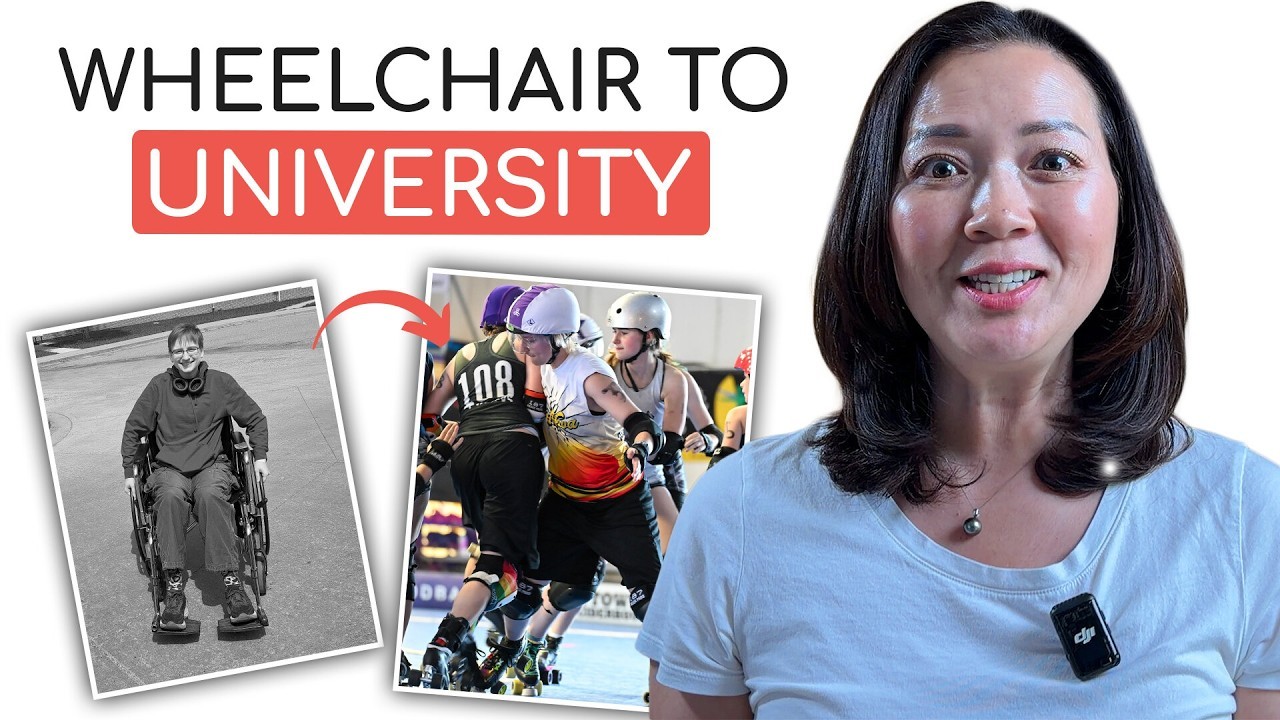
From Wheelchair to College: How One Family's Entire Life Changed After 7 Years of FND
After seven years of searching for answers, River and his mom Christy found a framework that changed everything — not just for River's FND, but for their entire family's life.
Read more