
Chronic Dizziness and FND: Where They Overlap — and What Actually Helps Recovery

Dr. Jin Lee, PsyD
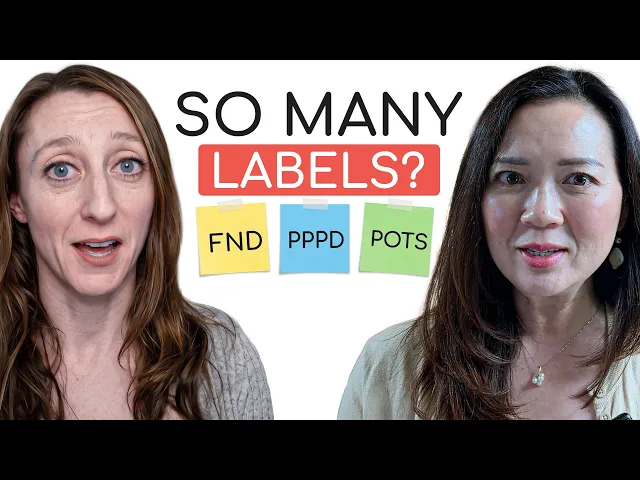
If your teen has FND and is also dealing with dizziness, POTS, dysautonomia, vestibular migraine, PPPD, or what feels like a diagnosis list that keeps growing, you're probably asking the same question so many families ask: Are these all separate problems, or are they connected? And do we need a completely different recovery plan for each one?
In this conversation, Dr. Jin Lee sits down with Dr. Yonit Arthur, AuD — a board-certified audiologist, vestibular specialist, and founder of The Steady Coach — to unpack why dizziness is one of the most confusing symptoms in medicine, what these overlapping diagnoses actually share with FND, and why the thing that started your teen's symptoms is usually not the thing keeping them going.
What they uncover is both reassuring and empowering: when we stop chasing the smoke and start looking at the fire — the brain and nervous system's response — the path forward becomes much clearer.
Key Takeaways
Dizziness is an umbrella term covering 20+ distinct symptoms — and many overlapping diagnoses like PPPD, vestibular migraine, and POTS share common mechanisms with FND.
The question that matters most isn't why symptoms started — it's why they persist. The match that lit the fire is often gone, but the brain hasn't recalibrated.
Lasting recovery isn't just about symptom elimination. It's about building the skills, confidence, and resilience to get your life back — and that second trajectory is what makes recovery stick.
Using recovery tools to fight symptoms can backfire. If the feeling inside is still fear, the brain doesn't register a new experience — no matter what technique you're using on the outside.
You are not the exception. Neuroplasticity doesn't expire, and recovery is possible regardless of how long symptoms have lasted.
Why "I Feel Dizzy" Can Mean So Many Different Things
When a teen says "I feel dizzy," it might mean the room is spinning. It might mean they feel like they just stepped off a boat. It might mean they feel foggy, drowsy, or ungrounded — almost like they're walking through a dream.
As Dr. Yonit Arthur explains, dizziness is a massive umbrella term that covers at least 20 distinct sensations. The sense of orientation is incredibly complex — it requires coordinated input from the eyes, ears, sense of touch, and multiple brain areas working together. When any part of that system gets disrupted, or when the brain's processing of that information goes off track, dizziness can result.
This is why so many teens end up with a growing list of diagnoses: PPPD, vestibular migraine, MdDS, post-concussion syndrome, cervicogenic dizziness, POTS, dysautonomia. Each diagnosis captures a piece of the puzzle, but what families often discover is that these conditions share far more in common than they seem — especially when viewed through the lens of how the brain and nervous system are functioning.
The Brain Predicts — and Sometimes Gets It Wrong
One of the most powerful concepts from this conversation is predictive processing. Rather than passively receiving sensory information, the brain actively predicts what it expects to experience. This is efficient and fast — but it also means the brain can make mistakes.
Dr. Arthur offers a simple example: she has a black trash can in her peripheral vision and a black dog. Sometimes, with just the right context, her brain predicts a dog that isn't there. The same kind of error can happen with balance and orientation — and when fear enters the picture, those errors become much more likely.
The brain is much more interested in keeping you alive than being accurate. So when it senses a potential threat — even a false one — it prioritizes protection. Add fear and hypervigilance on top of an already complex sensory system, and you get symptoms that feel very real, because they are real. The issue isn't that the symptoms are imaginary. It's that the brain is reacting to faulty processing rather than a structural problem.
The Match Is Gone — So What's Keeping the Fire Burning?
Many teens had their symptoms begin with something identifiable: a concussion, a virus, an ear infection, a period of intense stress. Families understandably look at that original event and assume it must still be the cause.
But as Dr. Arthur points out, the brain is remarkably good at compensating for injuries. She shared the story of a colleague who had an entire vestibular nerve surgically removed — and has zero symptoms. The brain adapted.
So the critical question shifts: not why did symptoms start, but why are they persisting? Those two questions almost always have completely different answers. What families often see is that predisposing factors, precipitating events, and perpetuating patterns each play a different role — and it's the perpetuating factors that need attention in recovery.
Two Trajectories of Recovery — and Why Both Matter
Dr. Arthur describes two trajectories that define lasting recovery. The first is what every family hopes for: symptom reversal. And it absolutely happens — symptoms can improve dramatically and even resolve completely.
But the second trajectory is equally important and often overlooked: the ability to live life fully, without limitation, regardless of where symptoms currently stand. What families often see is that when recovery focuses exclusively on eliminating symptoms, it inadvertently signals to the brain that the symptoms are dangerous and must be monitored. That vigilance keeps the nervous system in a protective state.
When the focus shifts to functional recovery — getting back to life, building confidence, collecting small wins — the brain begins to learn something new. And that learning is what makes recovery last.
What Keeps People Stuck — and What Gets Them Unstuck
Dr. Arthur identifies two common patterns in people who struggle to move forward.
The first is a fear-and-fixing loop. Even when someone accepts the framework and uses helpful tools like somatic tracking or safety messaging, if the underlying motivation is still fear — if every technique is being wielded like a weapon against symptoms — the brain doesn't register a new experience. The outside may look different, but the inside feeling hasn't changed.
The second pattern involves deeply held beliefs and learned responses that resist simple habit changes. A teen might want to get better but also fear what "better" means — returning to school, facing social pressures, being expected to perform. These aren't signs of laziness or manipulation. They're real internal conflicts that keep the nervous system stuck.
What helps people move forward? Belief — even partial, open-minded belief — that this is a brain-based process. Small actions taken without attachment to immediate outcomes. A growth mindset nurtured through both skill-building and addressing the internal conflicts that hold people back. And perhaps most powerfully, being part of a recovery-focused community where families can see real people making real progress.
You Are Not the Exception
Dr. Arthur's closing message is one that every parent and teen needs to hear: you are not the exception. It doesn't matter how severe the symptoms are, how long they've lasted, or how many diagnoses are on the list. Neuroplasticity is available from birth until death. The brain is still capable of learning and changing toward recovery.
If this conversation helped you see your teen's symptoms or recovery in a new light, that shift in understanding is already part of the process. Recovery from FND and chronic dizziness isn't about finding the one perfect fix. It's about understanding what's really happening, retraining how the brain and body respond, and taking small, brave steps back toward life.
To learn more about how families are helping their teens recover from FND, visit teenfndacademy.com.
Share this
Comments
>No comments yet. Be the first!
Related Post
What a Harvard Review Revealed About Full FND Recovery — And Why CBT Alone Keeps Families Stuck
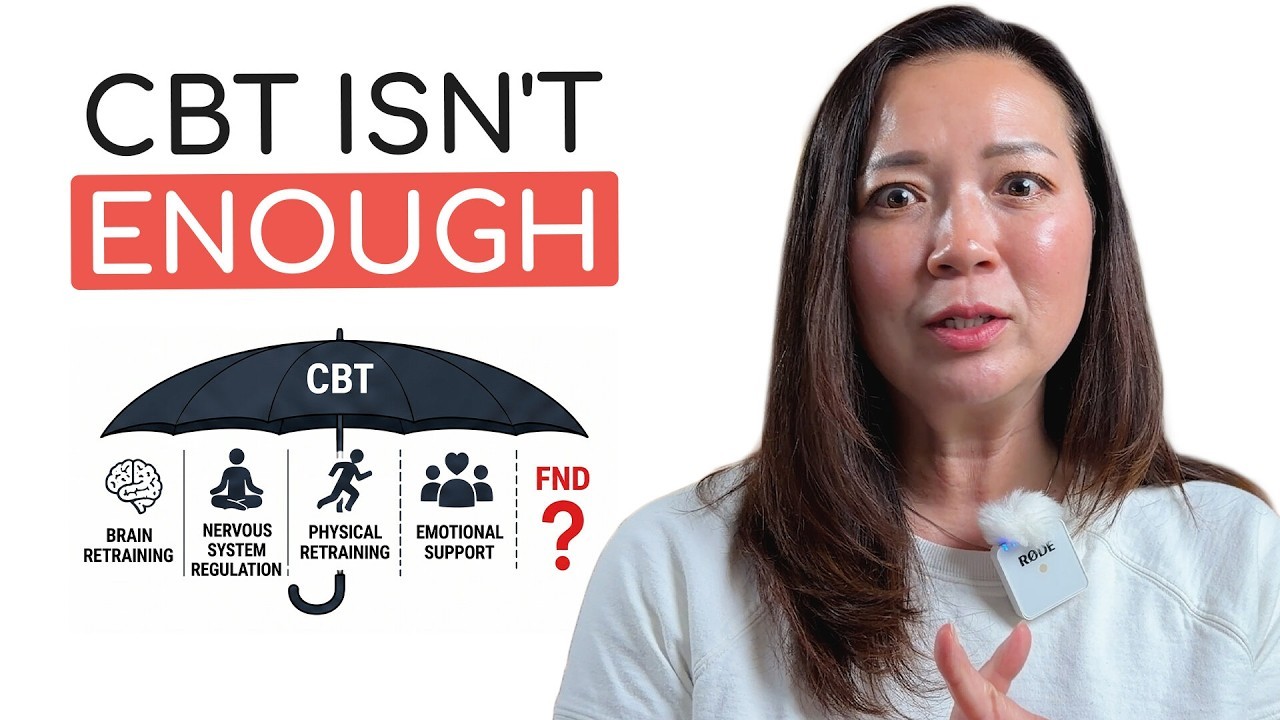
A 2023 Harvard Review of Psychiatry study found that 63 to 95% of children with FND achieve full symptom resolution when all three layers of recovery are addressed — not just CBT alone. Here's what that means for your family.
Read more

Why "Validating Feelings" Backfires: What FND Parents Need to Know About Holding Space
Validating your teen's feelings during an FND flare sounds like the right move — but if your mindset is still about making it stop, it can backfire. Dr. Jin Lee breaks down what holding space actually looks like for FND families.
Read more

Why Functional Neurological Disorder Is So Often Misunderstood — A Yale Neurologist Explains
Yale neurologist and FND Society founding member Dr. Dario Zagar shares why FND remains the most stigmatized condition in neurology and what families need to know about neuroplastic symptoms, diagnosis, and recovery.
Read more