

6 Sleep Rules Every FND Parent Should Know

Dr. Jin Lee, PsyD
If your teen has Functional Neurological Disorder, you've probably tried everything to help them sleep better. Maybe you've enforced strict bedtimes, let them sleep in after rough nights, or simply hoped the problem would resolve on its own.
Here's what families working through FND recovery often discover: sleep isn't a separate lifestyle issue. It's part of the same nervous system pattern that drives FND symptoms — and without it, everything else you're doing in recovery works harder for less result.
Dr. Jin Lee, pediatric psychologist and founder of Teen FND Academy, walks through the exact six-step sleep protocol she uses with families in her program. These aren't generic sleep hygiene tips. They're designed specifically to help a nervous system stuck in an FND pattern get the nightly reset it's been missing.
Key Takeaways
Sleep is part of the same stress system driving FND — not a separate lifestyle issue to fix on its own
You cannot force sleep; it's a habit the brain learns over time through consistent steps
Start with one step (waking at the same time daily) and build from there — most teens see real improvement within 3 to 4 weeks
Parents play a critical role by leading by example and letting go of micromanaging bedtime
Sleep Is Part of the Same Stress System Driving FND
The circadian clock — the internal system that governs when your body feels sleepy and when it feels awake — is part of the same stress system involved in FND. That includes the HPA axis, the autonomic nervous system, and the brain's stress networks.
When your teen sleeps well, that internal clock gets to reset every night. When sleep is disrupted, the whole system stays turned up high and never gets the break it needs.
A nervous system already stuck in an FND pattern needs that reset time more than anything. That's why sleep isn't optional — it's foundational.
Why You Cannot Force Sleep
Before diving into the steps, there's something important to understand: you cannot force sleep. Sleep is a habit the brain learns over time, the same way any other pattern gets trained into the nervous system.
Your job as a parent — and your teen's job — is not to make sleep happen. It's to train the habit, one step at a time.
The Six-Step Sleep Protocol
Step 1: Wake Up at the Same Time Every Day
This is the single most important reset. If your teen had a rough night, it's tempting to let them sleep in. That impulse comes from a place of love — but it accidentally reinforces the cycle.
Your teen may feel like a zombie at first. That's actually a good sign. It helps them fall asleep a bit easier the following night, and the night after that.
Step 2: Go to Bed Only When Actually Sleepy
Not because it's late. Not because they're bored. Only when they genuinely feel ready to sleep.
This means letting go of micromanaging bedtime — which, as Dr. Lee shares, is one of the hardest things for parents in her program. But pushing a teen to bed before they're sleepy only creates more tension and frustration for everyone.
Step 3: No Screens for One Hour Before Bed
Screens keep the brain alert, which works directly against what the nervous system is trying to do in the evening. This is a rule parents can enforce — and should model themselves. When it becomes a household routine, it's far easier to follow.
If a full hour feels impossible, start with 15 or 30 minutes and build up. The goal is consistency, not perfection on day one.
For nights when screens can't disappear entirely, practical adjustments include turning off all notifications, switching the screen to grayscale mode, and closing out anything interactive like games or social media.
Step 4: Get Out of Bed If Sleep Isn't Coming
Lying awake, watching the clock, tossing and turning — this only teaches the brain that bed is a stressful, frustrating place. Instead, your teen should get up, do something quiet and boring, and return to bed only when sleepiness comes back.
Step 5: No Naps After Lunch
A late-day nap can undo the entire nighttime routine. If a break is truly necessary, keep it under 20 minutes — no exceptions. This is a buffer for days when your teen is genuinely running on empty, not a regular habit.
Step 6: No Caffeine After Lunch
This includes the obvious ones like coffee and energy drinks, but also soda, tea, and chocolate — which people often forget contain caffeine too.
A Realistic Timeline for Change
You don't need to implement all six steps on night one. What families in Dr. Lee's program often do is pick one step — starting with the consistent wake time — and practice it for several days. Then add the next.
What we often see is teens reaching genuinely good quality sleep within about three to four weeks of working through this protocol step by step. Week one not looking perfect doesn't mean anything is going wrong. It means a new habit is being built, and that takes time.
Sleep Won't Fix Everything — But It Changes Everything
Steady sleep won't resolve FND on its own. But it gives your teen's nervous system the nightly reset it's been missing — and that makes every other part of the recovery process work a little better.
If you're looking for a structured, step-by-step approach to helping your teen move through FND recovery — including sleep, school reentry, and nervous system retraining — visit teenfndacademy.com to learn how Dr. Lee's program is helping families get their lives back.
Share this
Comments
>No comments yet. Be the first!
Related Post
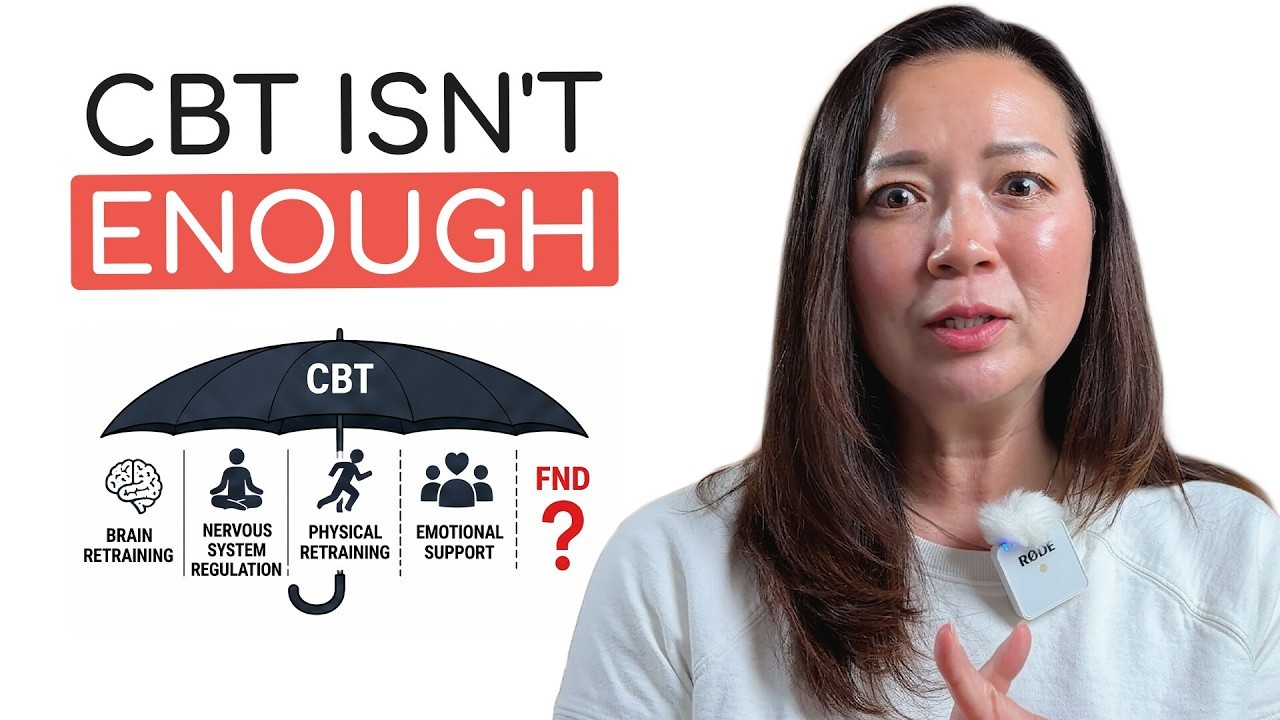
What a Harvard Review Revealed About Full FND Recovery — And Why CBT Alone Keeps Families Stuck
A 2023 Harvard Review of Psychiatry study found that 63 to 95% of children with FND achieve full symptom resolution when all three layers of recovery are addressed — not just CBT alone. Here's what that means for your family.
Read more

Why "Validating Feelings" Backfires: What FND Parents Need to Know About Holding Space
Validating your teen's feelings during an FND flare sounds like the right move — but if your mindset is still about making it stop, it can backfire. Dr. Jin Lee breaks down what holding space actually looks like for FND families.
Read more

FND at School: What Educators Should (and Shouldn't) Do to Support a Teen's Recovery
Well-intended school responses to FND episodes — like calling 911 or sending students home — can actually work against recovery. Dr. Jin Lee explains what schools should do instead and how families and educators can build a practical plan together.
Read more